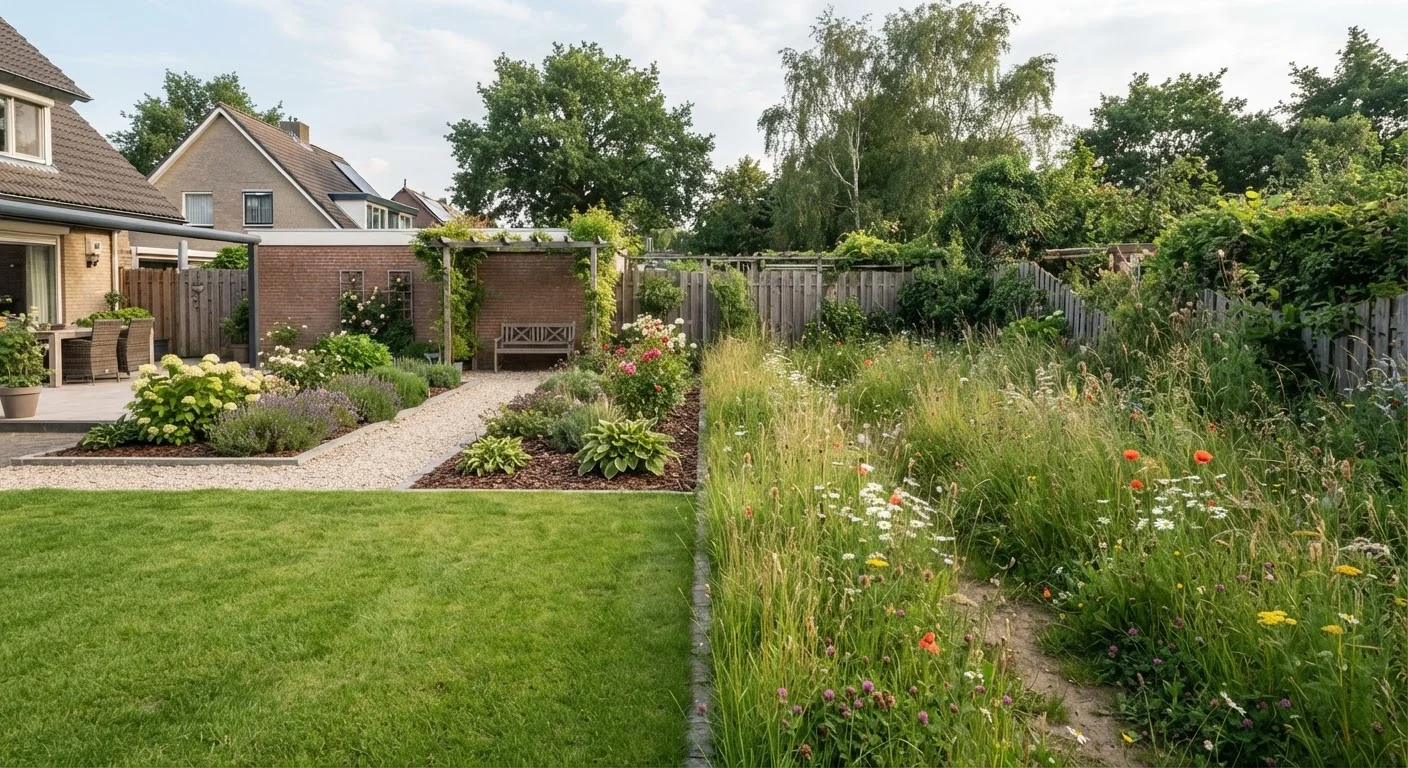
What 'Going Wild' Actually Means
Letting part of your garden go wild doesn't mean walking away entirely and hoping for the best. It means deliberately reducing or eliminating routine maintenance — mowing, deadheading, watering — in a defined area and allowing native or self-seeding plants to establish naturally. The result is what ecologists sometimes call a semi-natural habitat patch: a space shaped more by local ecology than by a gardener's preferences.
This approach has gained traction alongside growing awareness of biodiversity loss in suburban landscapes. Tightly managed lawns and sterile borders offer little to pollinators, ground beetles, or nesting birds. A wild patch, by contrast, can provide food, shelter, and breeding ground for a wide range of species — often with minimal effort on the homeowner's part. That said, the outcomes vary considerably depending on your region, existing soil conditions, and which plants naturally colonise the space.
For a complementary approach to supporting local wildlife through planting choices, see our guide on plants that attract pollinators.
The Advantages Worth Considering
There are several compelling reasons to designate at least a portion of your outdoor space as a low-intervention zone.
Supports pollinators and beneficial insect populations
Tall grasses, wildflowers, and seed heads provide nectar, pollen, and nesting sites for bees, butterflies, and beetles. Research consistently shows that even small patches of unmanaged vegetation increase local invertebrate diversity.
Reduces water, fuel, and time expenditure
Eliminating mowing and irrigation from even a modest patch meaningfully cuts ongoing maintenance costs and effort. Native plants that establish naturally are typically drought-tolerant once rooted.
Improves soil health over time
Undisturbed soil allows fungal networks, earthworms, and soil microbes to thrive. Leaf litter and decaying plant matter contribute organic matter without any input from the gardener.
Provides habitat for birds and small mammals
Dense low vegetation, seed heads, and insect populations attract ground-feeding birds and provide cover for hedgehogs, voles, and other small animals that are declining in many suburban areas.
Can improve garden resilience through biodiversity
A diverse wild patch hosts predatory insects that can help naturally suppress aphid and pest populations in adjacent managed beds, reducing the need for interventions elsewhere.
~97%
Decline in UK wildflower meadows since 1930s
Figures cited by conservation bodies suggest the vast majority of traditional meadow habitats in the UK have been lost, highlighting why even small garden patches carry ecological significance.
1 in 6
Wild bee species facing extinction risk in US
According to the Center for Biological Diversity, approximately one in six wild bee species in North America is at risk of extinction, driven in part by habitat loss in suburban environments.
Beyond wildlife, a wild patch simply demands less of your time. No mowing schedule, no irrigation lines, no deadheading — once established, the area largely manages itself through seasonal cycles. This makes it especially practical for larger properties or for gardeners who want to redirect their energy toward more intensively managed beds. Pairing a wild patch with deliberate planting strategies, like those explored in companion planting, can extend the ecological value of your whole garden.
The Disadvantages You Should Weigh
The benefits are real, but so are the challenges. Going wild without a plan can create problems that take considerable effort to undo.
Invasive species can establish quickly
Without regular intervention, aggressive non-native plants like bindweed, Japanese knotweed, or certain dock species can colonise a wild patch and spread into neighbouring beds or adjoining properties. Early identification is critical.
May create tension with neighbours or HOA rules
An unmanaged patch can appear neglected to neighbours unfamiliar with the intention behind it, and some homeowner associations have rules restricting lawn or vegetation height. Checking local guidelines before you begin is advisable.
Can harbour unwanted pest habitat
Dense, undisturbed vegetation can provide shelter for rodents, ticks, and slugs — which may become a problem if the wild area adjoins a vegetable garden, children's play space, or pet area.
Outcomes are unpredictable without seeding
If you simply stop managing an area without introducing desirable native species, you may end up with a monoculture of weeds rather than a diverse wildflower meadow. Passive neglect rarely produces the best ecological results.
Reintegrating the space later requires effort
If you decide to return the wild patch to managed garden, removing well-established plants, improving compacted or weed-seed-heavy soil, and replanting can take considerable time and physical effort.
Check Before You Stop Mowing
Some municipalities and HOAs have ordinances that set maximum grass or vegetation heights — often between 8 and 12 inches — regardless of ecological intent. Before establishing a wild patch, check your local zoning rules and any community guidelines that apply to your property. In some cases, a simple permit or a letter explaining the nature conservation intent is sufficient to avoid compliance issues.
There's also the question of how a wild patch interacts with the rest of your outdoor space. If you've invested in a well-designed yard — and our outdoor space design guide covers this in detail — an unmanaged patch that blurs into usable areas can undermine the overall function and feel of the space. Clear edges matter.
How to Strike the Right Balance
The most successful wild patches aren't abandoned — they're managed at a lower intensity. A few practical principles help get the balance right:
- Define clear boundaries. A mown edge or simple timber border tells neighbors and visitors that the area is intentional, not neglected. This small visual cue makes a significant difference to how the patch is perceived.
- Start with natives. Seed with wildflower mixes suited to your region and soil type. Native species are better adapted, less likely to become invasive, and more immediately useful to local wildlife than ornamental exotics.
- Inspect seasonally. Walk the patch at least twice a year to identify and remove any genuinely invasive species before they dominate. Early intervention takes minutes; late intervention can take seasons.
- Leave stems and seed heads over winter. Many beneficial insects overwinter in hollow stems or leaf litter. Resist the urge to cut back in autumn — wait until late winter or early spring to tidy up.
If you're also weighing other structural garden decisions, comparing raised beds vs. in-ground planting alongside a wild area may help you allocate your available space more strategically.