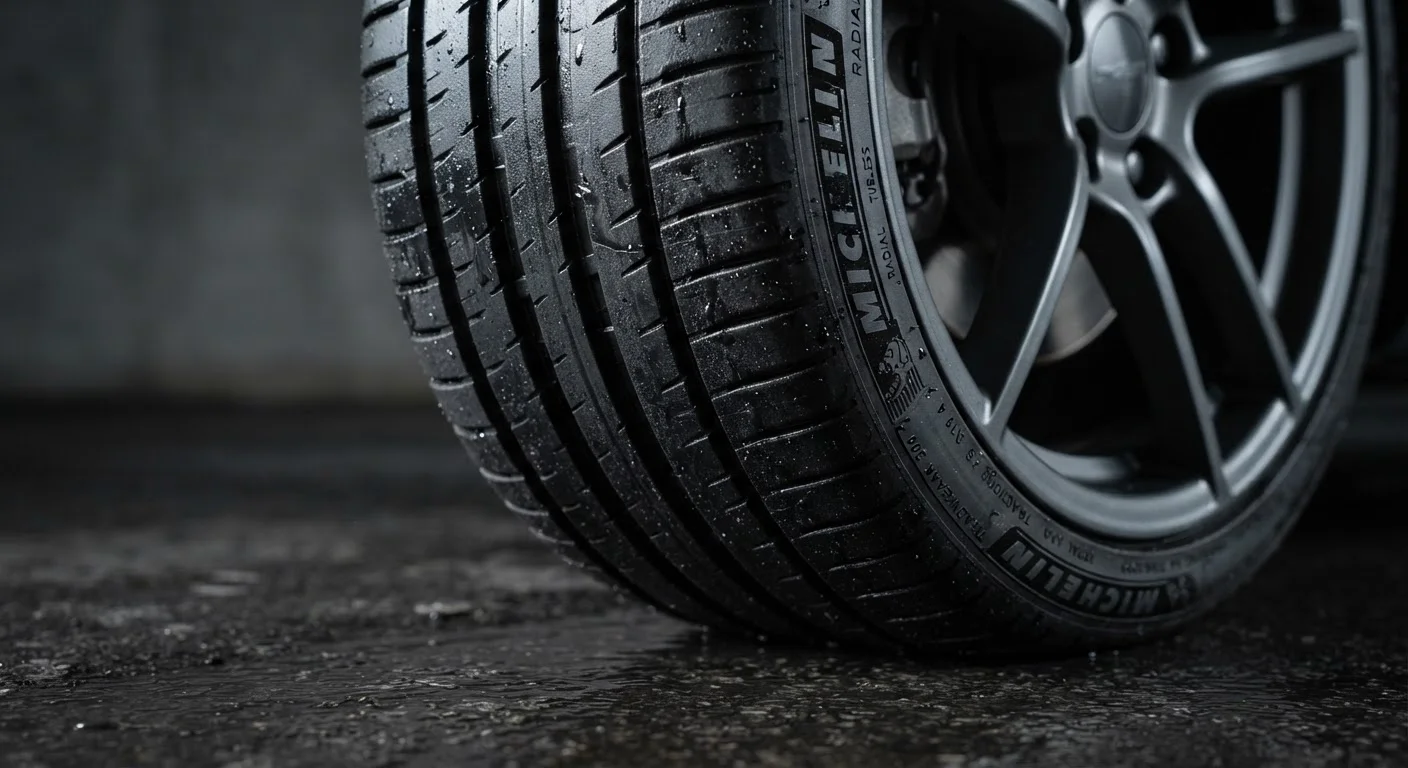
Why Tyres Deserve More Attention
Four patches of rubber — each roughly the size of an adult's hand — are the only things connecting your vehicle to the road at any given moment. Everything that affects how your car accelerates, turns, and stops is filtered through those contact patches. Despite this, tyres are among the most neglected components in everyday vehicle upkeep.
Most drivers check oil levels more regularly than tyre pressure, and many have never measured tread depth at all. This guide explains what pressure, tread, and blowout risk actually mean in practical terms — and what you can do about each one.
For a broader view of routine checks that tend to get overlooked, see our seasonal car maintenance guide.
Understanding Tyre Pressure
Tyre pressure is measured in PSI (pounds per square inch). The correct range for your specific vehicle is printed on a sticker inside the driver's door jamb — not on the tyre sidewall, which shows the maximum permissible pressure, not the recommended operating pressure.
1 PSI
Pressure lost per 10°F temperature drop
A widely cited guideline from tyre industry sources reflecting how ambient temperature affects tyre inflation.
2/32"
US legal minimum tread depth
The federally recognized threshold below which a tyre is considered legally worn out in the United States.
25%
Pressure drop that triggers TPMS alert
Under US federal regulations, TPMS systems must warn when any tyre falls to 25% below recommended pressure.
Underinflation is the more common problem. A tyre running 20% below its recommended pressure generates significantly more heat due to increased sidewall flexing, accelerates tread wear along the outer edges, and reduces fuel economy. Overinflation causes the tyre to ride on its center, reducing the contact patch and making the ride harsher and less responsive in corners.
Pressure naturally fluctuates with temperature: a rough rule of thumb is that tyres lose approximately 1 PSI for every 10°F drop in ambient temperature. This makes autumn and winter the seasons when underinflation becomes most likely without any visible change.
Don't Rely Solely on TPMS
The TPMS light is not a maintenance reminder — it's a late-stage alert. A tyre can be noticeably underinflated for weeks before the sensor triggers. Relying on the warning light alone means your tyres may already be experiencing accelerated wear and reduced handling. Monthly manual pressure checks remain essential even on vehicles equipped with TPMS.
Your vehicle's Tyre Pressure Monitoring System (TPMS) alerts you when a tyre falls around 25% below recommended pressure. By that point, the tyre has already been running in a compromised state. For more on what dashboard symbols mean, see dashboard warning lights explained.
Check pressure monthly using a quality gauge, always when tyres are cold — before driving more than a mile. For a deeper look at what PSI numbers mean and how to read them correctly, visit our guide on why tyre pressure matters more than you think.
Always check tyre pressure in the morning before driving — heat from even a short drive can raise pressure by 4–6 PSI, masking an underinflation problem.
Tyre pressure gauged after driving reflects heat-expanded air, not resting pressure, leading drivers to underestimate how low their tyres actually are.
Use the quarter test rather than the penny test as your personal threshold for tyre replacement — it buys you meaningfully more wet-weather stopping distance.
Stopping distance testing consistently shows degradation in wet braking performance well before tyres reach the legal 2/32-inch minimum.
Tread Depth and What It Actually Means
Tread channels water away from the contact patch, maintaining grip on wet roads. As tread wears down, a tyre's ability to evacuate water decreases — the result is a higher risk of hydroplaning, where the tyre rides on a film of water rather than the road surface itself.
In the United States, the legal minimum tread depth is 2/32 of an inch. Many safety organizations recommend replacing tyres at 4/32 of an inch, particularly if you drive in rain or on variable surfaces. The difference between those two thresholds can mean several additional feet of stopping distance on a wet road.
A practical and widely known check: insert a penny into a tread groove with Lincoln's head pointing down. If you can see the top of Lincoln's head, the tread is at or below 2/32 of an inch and the tyre should be replaced. Using a quarter instead (Washington's head down) gives you the 4/32 warning threshold — a more conservative and often safer benchmark.
Also inspect tyres for uneven wear patterns. Wear concentrated in the center suggests a history of overinflation; wear on both outer edges points to chronic underinflation. Cupping or scalloping — a wavy, uneven wear pattern — often indicates suspension or alignment issues rather than a tyre problem alone. For comprehensive guidance on rotation and alignment, see tyre care from the ground up.
Blowout Causes, Warning Signs, and What to Do
A blowout — rapid, uncontrolled loss of tyre pressure — is among the most alarming events a driver can experience. The stereotype is a dramatic pop from a road hazard, but the majority of blowouts trace back to chronic underinflation. When a tyre runs consistently low, internal structural components weaken over time until they fail, sometimes at highway speeds with little warning.
Sidewall Damage Is Not Repairable
If you find a bulge, blister, or crack on a tyre's sidewall, the tyre must be replaced — it cannot be safely repaired. Sidewall damage indicates structural failure of the belts or cords inside the tyre, and continued use significantly increases blowout risk. Do not confuse a bulging sidewall with low pressure; they require different responses, and only the former warrants immediate replacement.
Other contributing factors include overloading a vehicle beyond its rated capacity (which increases tyre stress), impact damage from potholes or curbs that compromises internal structure without visible surface damage, and tyres aged beyond six to ten years where rubber compounds degrade regardless of tread depth.
Warning signs before a blowout:
- Vibration or wobbling felt through the steering wheel
- Vehicle pulling consistently to one side
- A low, slapping sound from one corner of the car
- Visible bulging or blistering on a tyre sidewall
If a blowout occurs while driving: resist the instinct to brake hard immediately. Grip the wheel firmly, maintain your lane, ease off the accelerator gradually, and allow the vehicle to slow naturally before steering toward the road's shoulder. Sudden braking can cause loss of control, particularly at higher speeds.
Keeping Tyres in Good Condition Year-Round
Good tyre maintenance doesn't require mechanical expertise — it requires consistency. A few habits cover the majority of tyre-related risk:
- Check pressure monthly, and always before long trips or after significant temperature changes.
- Rotate tyres every 5,000 to 7,500 miles to promote even tread wear across all four positions.
- Inspect tread depth and sidewalls visually every time you check pressure — look for cracking, bubbling, or embedded debris.
- Know your tyre's age. Check the DOT code on the sidewall; the last four digits indicate the week and year of manufacture. Most manufacturers recommend replacing tyres after six years, regardless of appearance.
Seasonal changes are a particular inflection point. Cold weather reduces pressure; heat from summer roads raises it. Both extremes affect handling and wear. Our seasonal maintenance checklist covers these pressure shifts alongside other checks that keep your vehicle reliable through the year.
If you're unsure about any tyre's condition, have it inspected by a qualified tyre technician. The cost of an inspection is trivial compared to the consequences of a failure on a busy road. For additional context on how tyres connect to your broader vehicle upkeep, explore the car maintenance hub.