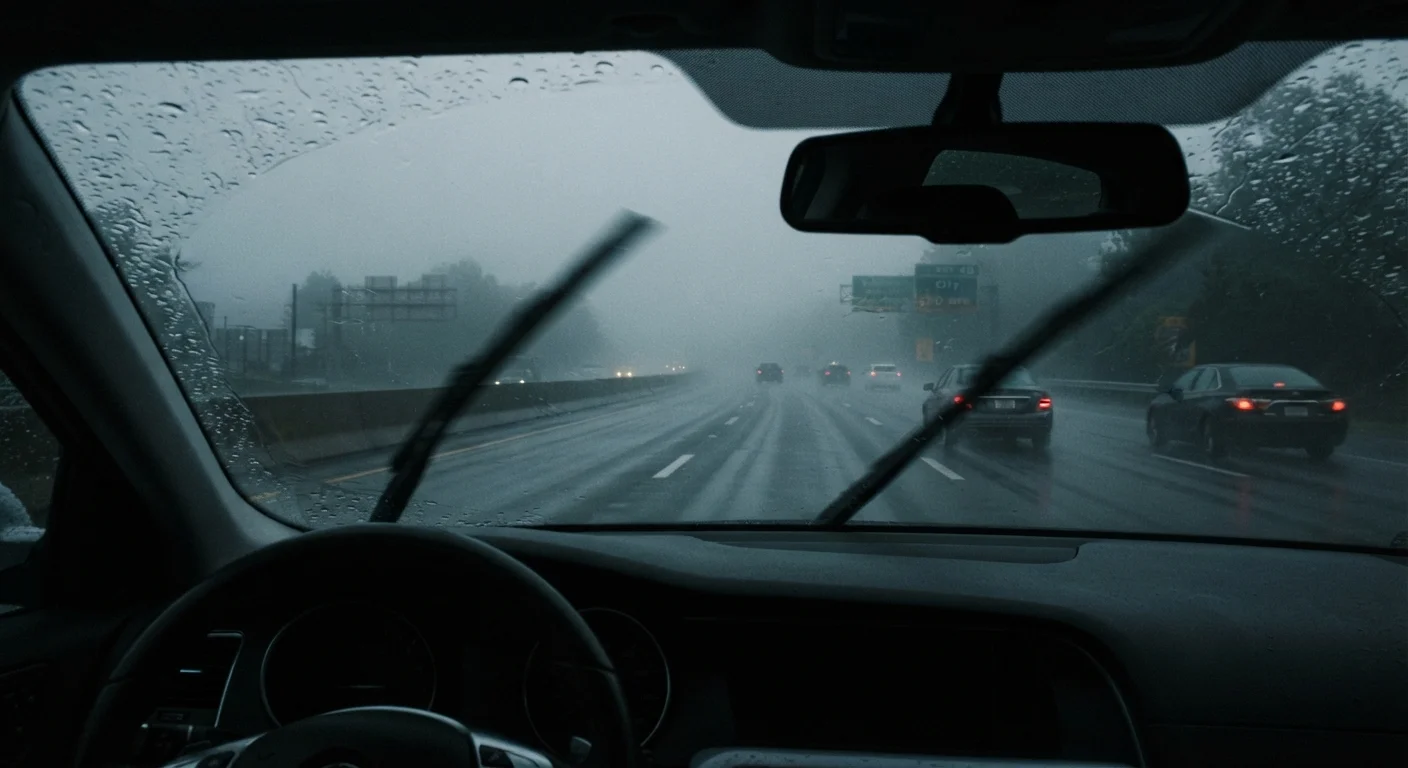
Why Weather Changes the Rules of the Road
Clear, dry pavement is where most driving habits are formed. But roads in rain, fog, or ice behave fundamentally differently — and drivers who don't consciously adapt are taking on risks they may not fully recognize. The physics change: stopping distances extend, steering response slows, and visibility shrinks. The habits that work on a sunny day can be actively dangerous in a storm.
Understanding why conditions change how your car behaves is the first step toward adjusting appropriately. Tires grip the road through friction. Water, ice, and reduced visibility all erode that friction — or your ability to perceive and respond to hazards in time. This guide covers the core adjustments experienced drivers make in each type of adverse condition.
For a broader look at how environmental factors shape your approach behind the wheel, reading the road is a skill that pays dividends well beyond fair-weather driving.
Driving in Rain: Traction, Speed, and Visibility
Rain reduces tire grip by creating a thin layer of water between rubber and road surface. At higher speeds, tires cannot displace water fast enough — a phenomenon called aquaplaning (or hydroplaning) — causing a brief but dangerous loss of steering control. Even moderate rain increases stopping distances significantly.
Reduce speed and increase your following distance as soon as rain begins.
Wet pavement can double or triple your stopping distance compared to dry conditions. Increased distance gives your brakes more room to work and reduces the risk of a rear-end collision if the car ahead stops suddenly.
If your vehicle begins to aquaplane, ease off the accelerator smoothly — do not brake sharply.
Hard braking during aquaplaning can lock wheels and extend the slide. Releasing the accelerator reduces speed gradually while allowing tires to re-establish contact with the road surface.
Use low-beam headlights — never high beams — when driving in fog.
High beams reflect off fog particles, creating glare that reduces forward visibility further. Low beams project light downward where it actually illuminates the road surface ahead.
On ice, apply all steering, braking, and acceleration inputs slowly and gently.
Abrupt inputs overwhelm tire traction on ice almost instantly. Smooth, measured movements keep the vehicle within the narrow friction window available and reduce the likelihood of a spin or slide.
Check tire tread and inflation before driving in adverse weather seasons.
Tread depth determines how effectively tires channel water and grip surfaces. Under-inflated tires deform unevenly, reducing the contact patch and worsening handling in wet or icy conditions.
Tire tread depth is critical here. Worn tires channel water far less effectively than tires with adequate tread, dramatically increasing aquaplaning risk. If you're unsure about your tire condition, our guide on vehicle maintenance fundamentals explains how to check and monitor tire wear.
Driving in Fog: Slowing Down and Being Seen
Fog is uniquely dangerous because it creates a false sense of safety. It compresses perceived speed and masks hazards that appear suddenly and close. Drivers often travel faster than conditions allow because the road immediately ahead looks clear — until it isn't.
The Fog Speed Illusion
Fog compresses depth perception, making your speed feel slower than it actually is. Glancing at your speedometer — rather than relying on feel — is an important habit in low-visibility conditions. Many drivers are surprised to find they're traveling significantly faster than they perceived. Adjusting speed based on actual instrument readings, not instinct, is a small habit change with significant safety consequences.
A key principle in fog: your headlights should illuminate the road, not the fog cloud itself. High beams reflect off water droplets and reduce forward visibility further. Use low beams or dedicated fog lights where fitted. Rear fog lights, if your vehicle has them, help following drivers see you — but switch them off once conditions clear, as they can obscure your brake lights.
Because fog can reduce effective visibility to a few car lengths, the two-second following rule used in normal conditions is wholly inadequate. Aim to maintain a gap that allows you to stop within the distance you can actually see.
Driving on Ice: The Highest-Risk Condition
Ice — including the barely visible "black ice" that forms on bridges and shaded stretches — offers the least friction of any common driving surface. Braking distances on ice can be ten times longer than on dry pavement. Even experienced drivers with appropriate tires are working within tight physical limits.
The core principle on ice is to keep all inputs smooth and gradual. Sudden steering, hard braking, or sharp acceleration can all break traction in an instant. If you feel the car beginning to slide, avoid the instinct to brake hard — ease off the accelerator and steer gently in the direction you want to go.
Note that driving style affects more than just safety — aggressive inputs in winter conditions also accelerate wear on brakes, suspension, and drivetrain components.
Universal Habits for All Adverse Conditions
Across rain, fog, and ice, several habits consistently improve safety. Increasing following distance gives more reaction time and longer stopping room. Reducing speed — even below the posted limit when conditions are severe — keeps physics manageable. Eliminating distractions sharpens the situational awareness that poor weather demands.
21%
Of U.S. crashes linked to weather conditions
According to the U.S. Department of Transportation Federal Highway Administration, approximately 21% of annual vehicle crashes are weather-related.
10x
Longer stopping distance on ice vs. dry pavement
Road safety organizations commonly cite that stopping distances on ice can be up to ten times greater than those on dry roads at the same speed.
Your vehicle's condition also matters considerably. Worn wiper blades, under-inflated tires, and degraded headlights all compound the challenges that weather already creates. Treating routine car maintenance as a safety practice, not just a cost, pays real dividends when conditions deteriorate.
Drivers new to these conditions may find it useful to consider how technique shifts across different driving environments — urban versus motorway driving presents distinct weather-related challenges that are worth understanding separately.
This article is for general informational purposes only. Always follow local traffic laws and posted advisories, and exercise personal judgment based on conditions at the time of driving.