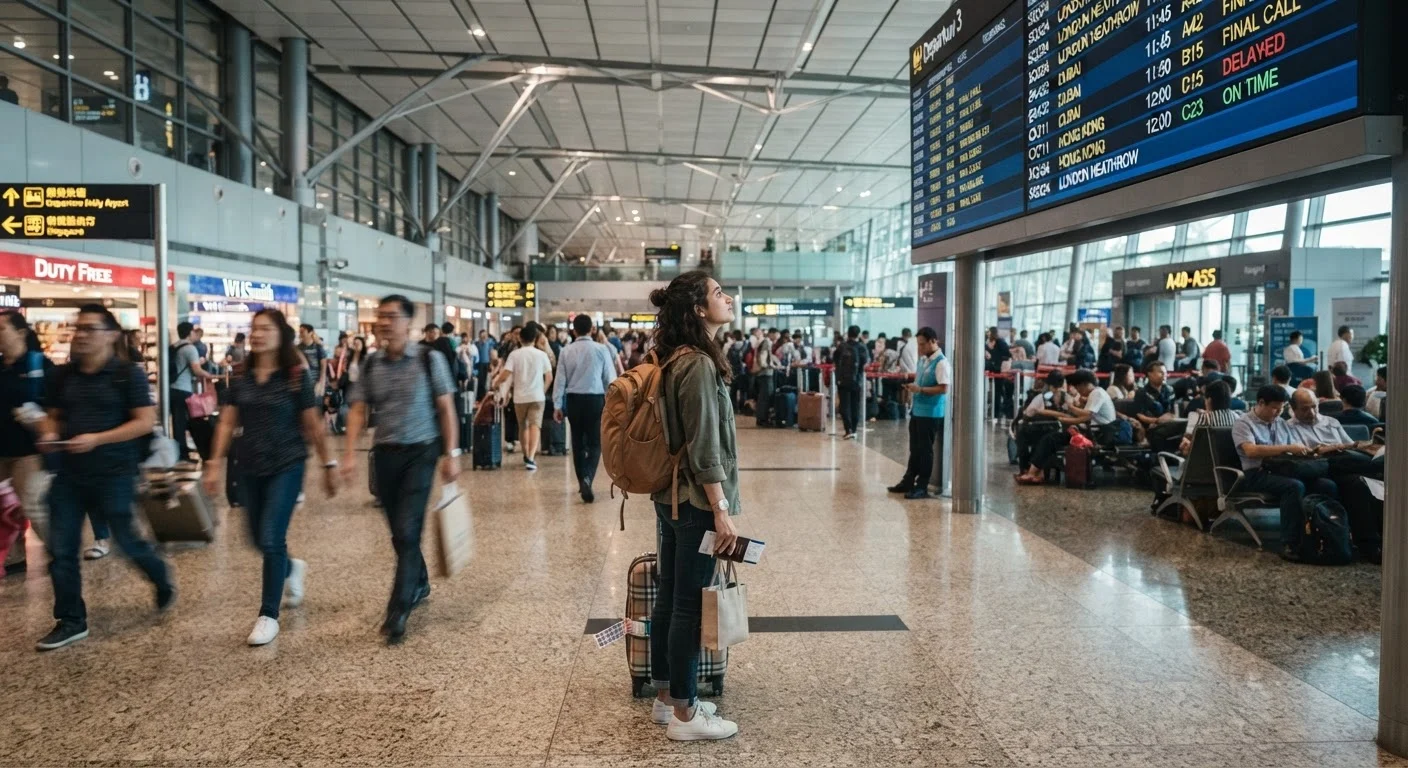
Why Travel Safety Starts Before You Leave Home
For first-time travelers, safety often feels like something to think about once you've arrived. In reality, the most effective safety decisions happen weeks before departure. Preparation doesn't mean planning for disaster — it means reducing the number of things that can catch you off guard.
Start by researching your destination thoroughly. Read your government's official travel advisory to understand current risk levels, entry requirements, and any region-specific concerns. The U.S. Department of State, for example, publishes tiered advisories that cover everything from routine precautions to "do not travel" warnings. Learn how to interpret these before you rely on them — see our guide to reading travel advisories for a clear breakdown.
Also review health considerations specific to your destination. Some regions carry risks from waterborne illness, altitude, or diseases requiring vaccination. Consult a healthcare professional or a travel medicine clinic well in advance of your trip — not in the final days before departure. For a broader overview of what travelers commonly miss, health risks travelers overlook is a useful companion read.
Finally, arrange travel insurance before you go. Policies vary widely in what they cover, so take time to understand the terms. Our travel insurance explainer can help you ask the right questions.
Register With Your Embassy Before You Go
Many governments offer free traveler registration programs — such as the U.S. State Department's STEP (Smart Traveler Enrollment Program) — that allow embassies to contact you during emergencies or natural disasters. Registration takes only a few minutes and can be genuinely valuable in a crisis. Check your government's travel website for the equivalent service.
Core Safety Concepts Every Traveler Should Understand
Travel safety isn't a single skill — it's a cluster of overlapping concepts. Understanding a few foundational ideas will serve you across every destination and trip type.
Travel advisory
An official government assessment of the safety conditions in a foreign country or region, typically rated on a tiered scale from routine precautions to avoid traveling entirely.
Situational awareness
The habit of staying consciously aware of your immediate surroundings — who is nearby, what is happening, and whether anything seems unusual or threatening.
Travel insurance
A policy that can provide financial protection against unexpected travel disruptions, such as medical emergencies, trip cancellations, or lost baggage, depending on the coverage purchased.
Embassy / Consulate
Official offices of your home country located in foreign nations that can provide emergency assistance to citizens abroad, including help with lost passports or legal issues.
Petty theft
Low-level opportunistic crime — such as pickpocketing or bag snatching — that is among the most common safety risks travelers face in busy tourist areas worldwide.
Risk is relative, not binary. A destination being imperfect doesn't make it dangerous; a destination having a low advisory level doesn't mean risks don't exist. Experienced travelers approach risk as something to assess and manage, not eliminate entirely.
Visibility matters. Looking uncertain, distracted, or unfamiliar with your surroundings can attract opportunistic theft or scams. This isn't about blame — it's about understanding how most travel crime works. Confidence and awareness are genuine deterrents.
Situational awareness — the habit of staying consciously attuned to your environment — is one of the most transferable safety skills a traveler can develop. It doesn't require anxiety; it's a calm, practiced form of attention. Most incidents that seem random have predictable patterns that an alert traveler can recognize early.
On-the-Ground Habits That Reduce Risk
Good safety habits don't require special equipment or extreme caution. They're small, repeatable behaviors that compound over the course of a trip.
- Know your route before you walk it. Review maps in advance rather than studying your phone at a busy intersection. Appearing uncertain about where you're going draws attention.
- Use accommodation lockers or safes. Leave valuables secured when you go out. Don't carry more cash than you need for the day.
- Stay alert in transit hubs. Airports, train stations, and bus terminals are common environments for petty theft. Keep bags in front of you and be especially careful with phone and wallet.
- Trust measured instinct. If a situation or person feels genuinely off, it's reasonable to remove yourself from it without needing to explain why.
- Avoid sharing detailed itinerary information with strangers. Oversharing where you're staying or your plans can create unnecessary vulnerability.
These habits apply regardless of destination. For a broader set of approaches that work across very different environments, travel safety habits that hold up across destinations covers the topic in depth.
Public Wi-Fi Carries Real Security Risks
Free Wi-Fi at airports, cafes, and hotels is convenient but potentially insecure. Avoid accessing banking apps, email accounts, or sensitive information on unsecured networks. Consider using a VPN (virtual private network) — a tool that encrypts your internet connection — when connecting on public networks abroad.
Documents, Money, and Staying Connected
Three of the most common first-time traveler problems involve documents, money access, and communication. Each has straightforward mitigations.
Documents: Always carry your passport when required, but leave it secured when you don't need it. Keep a digital copy in a secure, cloud-based account and a physical copy stored separately from the original. If your passport is lost or stolen, a copy dramatically speeds up the emergency replacement process at your embassy or consulate.
Money: Carry a mix of payment options — local cash for small transactions, and at least one card for larger purchases. Notify your bank before traveling internationally to avoid cards being frozen. Avoid carrying large amounts of cash at once, and use ATMs attached to reputable bank branches rather than standalone kiosks in high-traffic tourist areas where tampering is more common.
Communication: Make sure someone at home has a copy of your itinerary and a way to reach you. Know how your phone works internationally — whether that's an international plan, a local SIM, or a travel SIM. Identify the local emergency services number for each country you visit. The U.S. embassy or consulate for your destination can also be a critical resource in a serious situation; save the contact information before you leave.
For a full breakdown of how to prepare for your first international trip, planning your first international trip covers the logistical foundations in detail.
When Something Goes Wrong: A Basic Response Framework
Even well-prepared travelers encounter unexpected problems. The goal isn't to avoid every difficulty — it's to respond calmly and effectively when something doesn't go to plan.
Stay calm and assess. Most travel problems — a missed connection, a lost bag, a minor illness — are stressful but manageable. Panic rarely helps and often leads to poor decisions. Take a breath, identify what you know, and determine your first realistic step.
Contact the right people. For medical emergencies, call local emergency services immediately. For crimes, report to local police and get a report number — this is usually required for insurance claims. For lost documents, contact your embassy or consulate. If you have travel insurance with a 24-hour assistance line, use it — this service exists specifically to help travelers navigate crises.
Document everything. Take photos of damage, get written confirmation of delays or cancellations from providers, and keep receipts for any emergency expenses. This documentation is essential for insurance claims and dispute resolution.
As you gain confidence, you may want to explore more specific scenarios. Solo travel safety addresses the unique considerations of traveling alone, while The Complete Picture offers a comprehensive safety resource spanning every stage of a trip.
This article provides general travel safety information for educational purposes only. Always verify entry requirements, health recommendations, and travel advisories with official government sources and qualified professionals before traveling.