Where Sugar Actually Comes From in Your Food
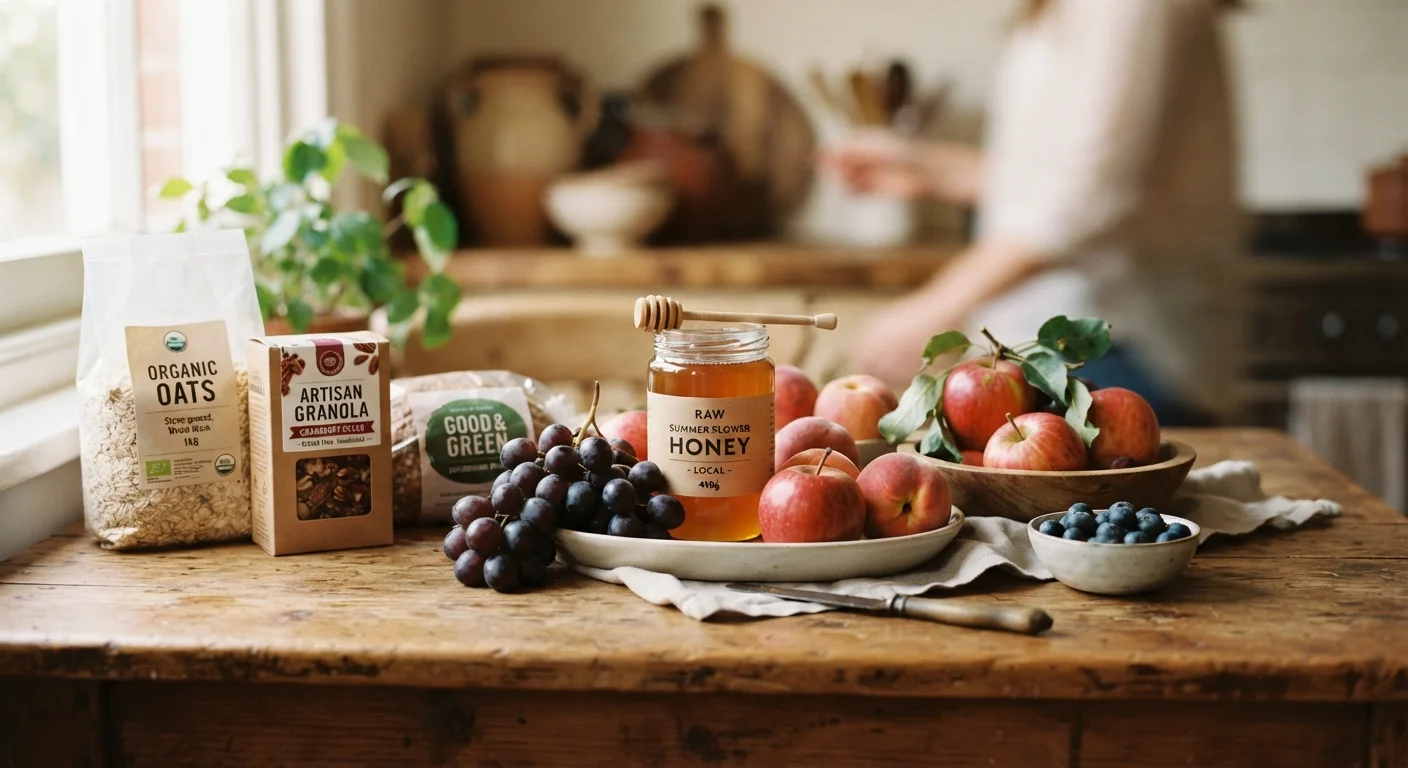
Sugar enters the diet through two distinct pathways, and confusing them can lead to misguided choices. Natural sugars are those found intact within a food's original cellular structure — lactose in milk, fructose in an apple, glucose in a carrot. Added sugars are introduced at any point during processing, cooking, or manufacturing: the corn syrup in a soft drink, the cane sugar stirred into a flavored yogurt, or the honey drizzled over packaged granola.
The key difference is context. Whole foods that contain natural sugars also deliver fiber, protein, water, vitamins, and minerals that collectively influence how quickly sugar enters the bloodstream. A medium apple contains roughly 19 grams of sugar, but the fiber content means your body processes it more gradually than the same amount of sugar dissolved in a sweetened beverage. For a fuller picture of how food composition affects what you read on packaging, see how to read a nutrition label without getting lost.
17 tsp
Average daily added sugar consumption in the US
According to the CDC, the average American adult consumes roughly 17 teaspoons of added sugar per day — far above recommended limits.
10%
Recommended added sugar limit (of daily calories)
The 2020–2025 Dietary Guidelines for Americans recommend keeping added sugars below 10% of total daily caloric intake.
60+
Names added sugar can appear under on labels
The FDA has identified more than 60 ingredient names that indicate the presence of added sugars in packaged foods.
Decoding What the Label Actually Shows You
Since 2020, updated FDA Nutrition Facts panels require manufacturers to break out Added Sugars beneath the Total Sugars line. This is a genuine improvement in transparency — previously, consumers had no way to tell from the panel alone how much sugar was inherent to the ingredients versus poured in at the factory.
However, the label still has limits. "Total Sugars" lumps natural and added together in the top figure. "No added sugar" claims on the front of a package are regulated but don't mean the product is low-sugar overall. And the ingredient list, which must name every added sugar separately rather than as a combined total, can obscure just how much sweetener is present when manufacturers use five different sugar sources that each fall further down the list individually.
Quick Label Check: Two Numbers to Compare
On any packaged food, find the Total Sugars line and then the Added Sugars indented below it. If Added Sugars make up most of the Total Sugars figure, the sweetness is primarily manufacturer-added rather than naturally occurring. This single comparison takes under five seconds and tells you more than the front-of-pack claims ever will.
Understanding the full food-processing spectrum behind these ingredients is also useful — the whole foods vs. processed foods spectrum helps explain why minimally and ultra-processed products look so different on a label.
The Many Disguises of Added Sugar
The FDA has identified more than 60 names that added sugars can appear under in ingredient lists. Recognizing them is a practical skill for any label reader. Common aliases include:
- Syrups: high-fructose corn syrup, brown rice syrup, malt syrup, agave nectar
- "-ose" sugars: fructose, dextrose, sucrose, maltose, galactose
- Concentrated sources: fruit juice concentrate, evaporated cane juice, coconut sugar
- Traditional sweeteners: honey, molasses, turbinado, maple syrup
Nutritionally, your body metabolizes most of these similarly. So-called "natural" added sweeteners like honey or coconut sugar contain trace micronutrients, but in typical serving sizes those amounts are nutritionally insignificant. What differs is marketing language, not metabolic outcome.
Putting It Into Practice
Reducing added sugar in your diet does not require eliminating sweetness — it means shifting its source and being conscious of amounts. Whole fruit satisfies a sweet craving while delivering nutritional value. Plain dairy products provide natural lactose without the added sugars found in flavored versions. Cooking at home lets you control sweetener quantities directly.
When evaluating packaged foods, a practical habit is checking the Added Sugars line as a percentage of the 50-gram Daily Value. A snack contributing 20% or more of that DV in one serving deserves closer consideration within the context of your full day. Ingredient list order matters too: ingredients are listed by weight, so a sweetener appearing in the first three positions signals a significant contribution.
Label literacy is a skill that compounds across every shopping trip. The same careful reading that applies to sugar content applies to other ingredient categories — the approach for understanding ingredient terms on skincare labels reflects a similar principle: understanding what names mean gives you genuine agency.
This article is for general informational and educational purposes only and is not a substitute for advice from a registered dietitian or qualified healthcare professional. Consult a healthcare provider for guidance tailored to your individual health needs.