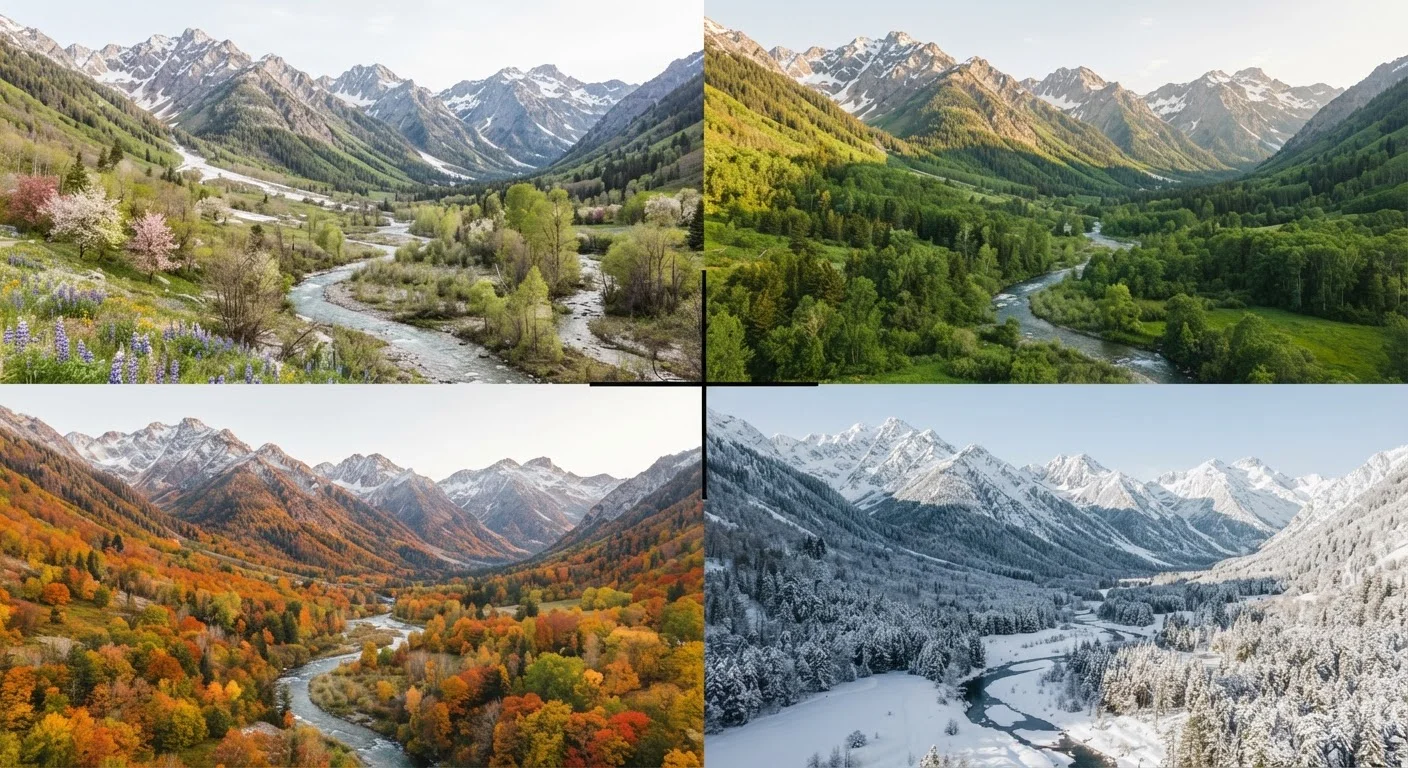
Why Timing Is a Destination Variable, Not an Afterthought
Most travelers choose a destination first and dates second — but the most experienced planners treat timing as inseparable from destination choice itself. The same place can deliver entirely different trips depending on when you arrive: green and uncrowded in one month, sweltering and overrun three months later. Understanding this is a foundational skill in well-rounded trip planning.
Seasonality operates across several dimensions simultaneously. Weather is the most obvious, but equally important are visitor volume, the availability of local experiences (festivals, wildlife events, agricultural seasons), and operational status of attractions and transport. Overlooking any one of these can undermine an otherwise well-organized trip.
Seasonality Varies Within a Single Country
Large countries can span multiple climate zones, meaning peak and off-season timings differ significantly by region. The Pacific coast of a country may have its dry season while the Atlantic coast is in the middle of its wet season. Always research seasonality at the specific regional or city level, not just the national level.
The Three Season Tiers and Their Trade-Offs
Most destinations fall into three recognizable seasonal tiers: peak, shoulder, and off-season. Each comes with its own set of advantages and limitations.
- Peak season aligns with the most favorable or iconic conditions — think Caribbean beaches in January, or European cities in summer. Visitor numbers are highest, which means fully operational services but also longer queues, higher demand for accommodation, and a more crowded experience overall.
- Shoulder season — the weeks flanking peak — often delivers the most balanced experience. Weather remains reasonable, local businesses are open, and the crush of visitors has eased. Many seasoned travelers deliberately target shoulder windows.
- Off-season can mean quiet streets and a more local atmosphere, but also closures, limited transport, or weather that genuinely restricts access. For some travelers, this trade-off is acceptable; for others, it is not.
The right tier depends entirely on your trip's purpose. A hiking itinerary demands different seasonal logic than a city cultural tour. See how pacing connects to this in our guide to itinerary planning and realistic timelines.
Climate Patterns, Hemispheres, and Common Misconceptions
A frequent planning error is applying Northern Hemisphere seasonal intuitions to Southern Hemisphere destinations. Argentina's Patagonia, for example, is best explored in its summer — December through February — which overlaps with the Northern Hemisphere winter. Travelers who default to July visits may find themselves in cold, harsh conditions.
Tropical destinations add another layer of complexity. Many regions near the equator have wet and dry seasons rather than the four-season model familiar to temperate-zone travelers. A wet season does not necessarily mean rain all day — many tropical destinations experience brief, intense afternoon showers while mornings remain sunny and ideal for outdoor activity.
Check Both Climate Averages and Extremes
Monthly climate averages give you a general picture, but they can obscure important variation. A month with a high average temperature may also carry significant storm or rainfall risk. Review historical weather data — including precipitation and humidity figures — rather than temperature alone before finalizing dates.
When traveling across climates or destinations with variable conditions, building a versatile travel wardrobe becomes a practical necessity rather than a packing luxury.
Local Calendars: Events, Holidays, and Access Disruptions
Beyond meteorology, local calendars shape the travel experience in ways that weather forecasts cannot capture. National holidays can close museums, disrupt transport, and fill accommodation — or they can coincide with extraordinary festivals that make a destination unmissable. Neither outcome is predictable without research.
School holiday schedules vary significantly by country and can surge demand at family-oriented destinations. Religious observances may affect dining hours, dress codes, and the general pace of daily life. Some destinations experience major inflows of domestic tourists during their own holiday periods, creating crowds that international travelers rarely anticipate.
Always verify safety conditions and entry requirements — including any seasonal travel advisories — with official government sources before booking. Conditions on the ground can shift, and published guidance from your government's foreign affairs or state department is the most reliable reference.
3–4x
Visitor volume difference between peak and off-season
Many popular destinations report visitor counts that are three to four times higher during peak months than their quietest periods, according to destination management organization data.
60%+
Travelers who cite weather as primary timing factor
Surveys on travel decision-making consistently find that weather is the top driver of timing choices, though it frequently overshadows equally important factors like crowds and local events.
Applying Seasonal Thinking to Your Planning Process
A practical approach to seasonal planning works in three steps. First, define your trip's primary purpose — the activities, experiences, or atmosphere you are seeking. Second, research which months at your target destination most reliably deliver those conditions. Third, cross-reference those months against your own constraints: available leave, travel companions' schedules, and budget flexibility.
If you are weighing a short getaway against a longer journey, the seasonal calculus differs. A weekend trip may need to accept whatever conditions the nearest viable window offers, while an extended trip warrants more deliberate timing. The planning priorities differ meaningfully between these two trip types.
Seasonal thinking also has a downstream effect on packing and personal preparation. Traveling through climates that shift with latitude or altitude means your kit needs to adapt. If your route crosses multiple climate zones, consider reviewing your personal care routine alongside your gear — climate-driven changes affect more than just your jacket choices, as noted in guidance on seasonal skincare adjustments.
Travel seasonality is ultimately about alignment: matching what a destination offers at a given time with what you actually want from your trip. Done well, it converts good trips into memorable ones.