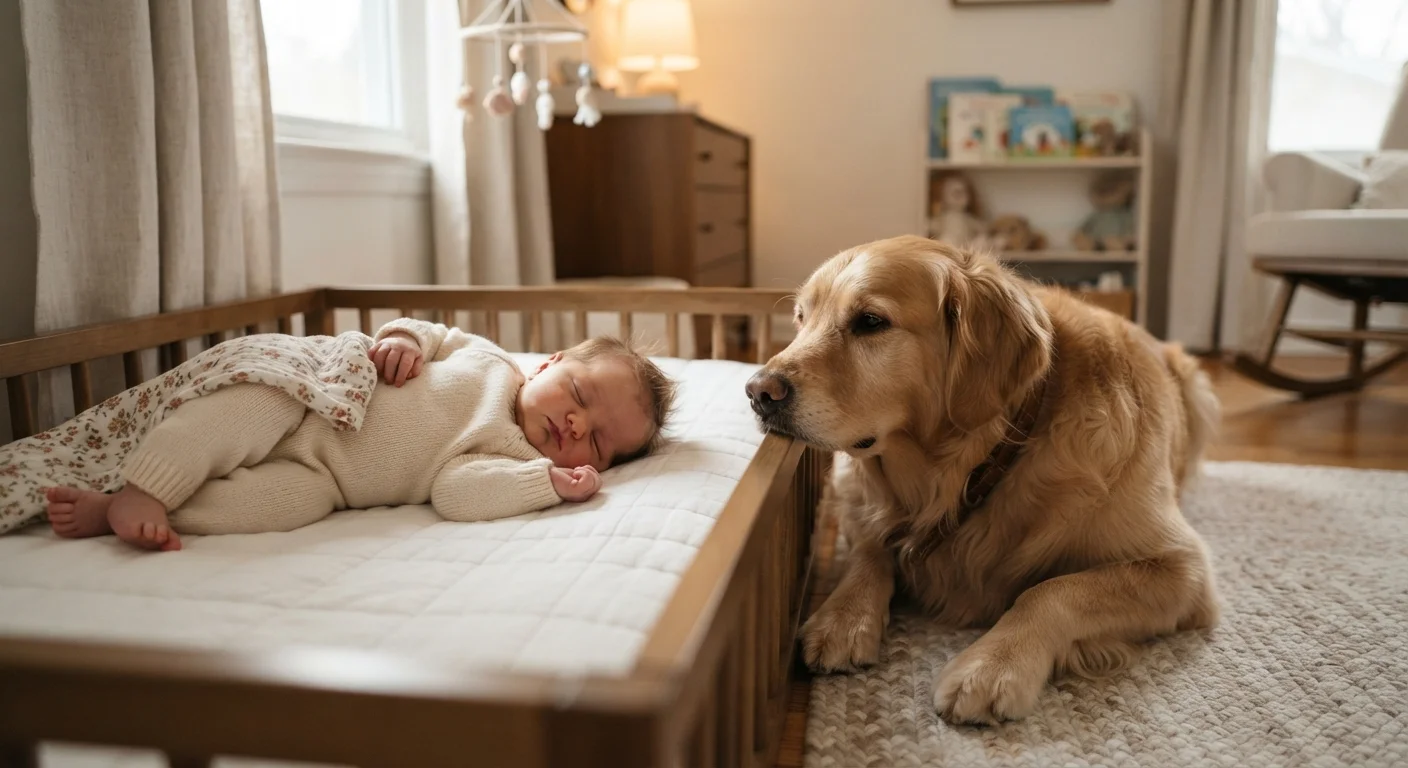
Why the Introduction Matters More Than You Think
Bringing a new pet into a home with an infant — or welcoming a baby into a home where a pet already lives — is one of the more underestimated transitions a family can navigate. Both the pet and the baby are vulnerable in this situation, and the quality of those early interactions can shape how they relate to each other for years.
Pets, especially dogs and cats, are highly attuned to household changes. A new baby introduces unfamiliar sounds, smells, and disrupted routines all at once. Without thoughtful preparation, even a well-tempered animal can become anxious, withdrawn, or reactive. Understanding this dynamic — and planning accordingly — is what separates a smooth transition from a stressful one.
If you're adding a new pet to your family rather than preparing a resident animal, our guide on bringing a pet home for the first time covers the foundational steps every new owner should take.
What you will need
What You'll Need Before You Start
A safe introduction doesn't require expensive equipment, but it does require a few practical tools and a clear-headed approach. Gather what's listed below before the baby comes home — having these elements in place reduces the chance of a chaotic, reactive first meeting.
Baby gate or pet barrier
Creates a physical boundary that allows the pet to observe the baby safely without direct access.
Leash and collar
Keeps a dog under gentle physical control during the initial introduction.
Pet-safe calming aid (vet-approved)
May help reduce anxiety in a highly stressed pet during the transition period — consult your vet first.
Designated pet retreat (crate or bed)
Gives the pet a safe, quiet space to decompress away from the stimulation of a newborn.
Beyond physical tools, the most important resource you can bring is time and patience. Rushing any part of this process to get it over with is one of the most common missteps families make.
Use Scent to Build Familiarity Early
Before the baby comes home, bring a blanket or item of clothing from the hospital so your pet can explore the new scent in a calm, pressure-free way. This gentle introduction helps the pet associate the baby's smell with safety rather than surprise.
Step-by-Step: The Introduction Process
Follow these steps in order. Each one builds on the last, and skipping ahead — especially to unsupervised contact — significantly increases risk. For a comparison of how this process differs when a young child (rather than an infant) is involved, see our guide to introducing a new pet to a young child.
Prepare Your Pet Before Baby Arrives
Begin adjusting your pet's routine several weeks before the due date. Gradually shift feeding times, walk schedules, and sleep arrangements to reflect what life will realistically look like with a newborn. If the nursery will be off-limits, establish that boundary now — not after the baby is home.
If your pet hasn't had basic obedience training, now is the time to reinforce commands like sit, stay, and leave it. These cues become essential safety tools. You can also read more in our family readiness checklist for a broader look at household preparation.
Introduce the Baby's Scent First
Before bringing your baby home from the hospital, send ahead a piece of clothing or a used blanket. Let your pet sniff it calmly in a relaxed environment. Reward calm, curious behavior with quiet praise. This scent preview reduces the shock of a new smell attached to a new, loud presence.
Plan a Calm, Controlled First Meeting
When you arrive home, greet your pet briefly without the baby first — this prevents an overexcited rush toward the infant. Once your pet has settled, bring the baby into the room while keeping the pet on a leash (for dogs) or gently contained. Sit or stand calmly; do not hover anxiously, as pets often mirror human tension.
Allow the pet to observe from a respectful distance before any closer introduction. Do not force sniffing or physical contact. The goal of the first meeting is simply peaceful coexistence in the same space.
Establish Clear Boundaries in the Home
Use baby gates or closed doors to create zones where the pet is not permitted without supervision. The baby's sleep area — crib, bassinet, or play mat — should always be a controlled space. At the same time, make sure your pet retains access to their own comfortable retreat: a bed, crate, or quiet corner that is entirely their own.
Consistent boundaries reduce anxiety for both the pet and the adults managing the household. For broader guidance on managing shared spaces, our article on keeping a multi-pet household peaceful offers practical spatial strategies.
Maintain Your Pet's Routine and Attention
One of the most common and damaging mistakes families make is letting their pet's care fall away after the baby arrives. Pets — particularly dogs — experience real distress when their schedule and social connection are disrupted. Stick to regular feeding times, daily exercise, and moments of one-on-one attention as much as possible.
You can divide these responsibilities between caregivers or schedule brief but consistent check-ins with your pet throughout the day. Our related piece on common missteps families make goes deeper on this pattern.
Monitor and Respond to Behavioral Changes
Watch your pet closely over the first several weeks. Some adjustment is normal — increased clinginess, mild restlessness, or extra vocalization. However, persistent signs of stress or any display of aggression toward the baby should be taken seriously and addressed promptly with professional guidance.
Contact your veterinarian or a certified animal behaviorist (look for credentials such as CAAB or DACVB) if you are concerned. Early intervention is far easier — and safer — than managing an escalating problem. Do not wait and hope behavior resolves on its own.
Never Leave Pets and Infants Unsupervised
No matter how gentle or well-trained your pet appears, infants and animals must never be left alone together — even briefly. Babies cannot protect themselves, and even a friendly pet can react unpredictably to sudden sounds or movements. Always have a responsible adult present during any interaction.
If Your Pet Was Home First
Families where a pet is already established in the home face a slightly different challenge: the animal has routines, territory, and expectations — and a newborn disrupts all three. The emotional adjustment can be significant, particularly for dogs who have been the primary focus of their owners' attention.
The key insight here is that your pet doesn't understand why things are changing. They only experience the change. That's why consistency, calm leadership, and continued affection matter so much in the weeks surrounding a baby's arrival.
Watch for Signs of Stress in Your Pet
Flattened ears, excessive panting, hiding, growling, or refusal to eat may signal that your pet is struggling with the transition. Do not dismiss these behaviors. Consult your veterinarian or a certified animal behaviorist early — addressing stress promptly reduces the risk of escalation.
For a deeper look at preparing a resident pet for a newborn, our article on when a baby arrives and a pet is already home walks through the full transition in practical terms. And for ongoing guidance on everything from health to behavior, our Pets & Kids hub is a useful ongoing resource.
This article is for general informational purposes only and does not constitute veterinary or medical advice. Always consult a licensed veterinarian or qualified animal behaviorist for guidance specific to your pet's health and behavior.