Why the Transition Demands Advance Planning
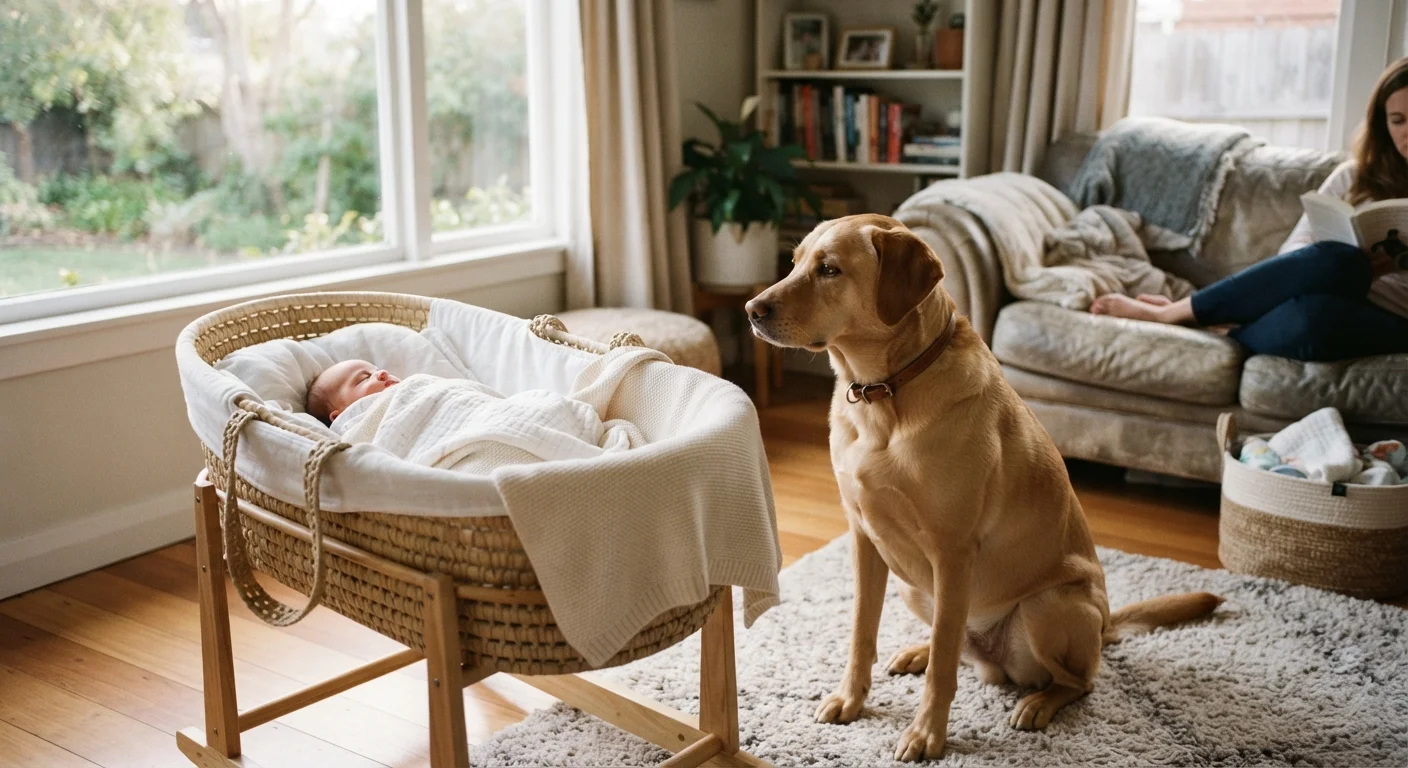
A newborn reshapes the atmosphere of a home in ways that are difficult to overstate — and your resident pet will notice every single shift. New smells, unpredictable sounds, disrupted schedules, and reduced one-on-one attention can create genuine stress for an animal who had the household largely to themselves. The good news is that most pets adapt well when families plan thoughtfully rather than waiting until the chaos of the first few days home.
This is a very different scenario from bringing a pet home to a household with an infant. Here, the pet is the established resident and the baby is the newcomer. That distinction matters enormously for how you structure the preparation. Your pet has routines, expectations, and emotional attachments built around the current version of your household. Honoring that while making space for a baby takes patience — and it starts well before your due date.
What you will need
Step-by-Step: Preparing Your Pet and Your Home
The steps below are designed to be started several weeks before the baby arrives and continued through the first months at home. Each one builds on the last, creating a foundation of familiarity and trust.
Use Sound Before the Baby Arrives
Play recordings of infant sounds — crying, babbling, cooing — at low volume during regular daily activities well before your due date. Gradually increasing the volume over several weeks helps desensitize pets to sounds that might otherwise startle or distress them once the baby is home.
Baby gate or pet barrier
Creates physical boundaries between the baby's space and pet access areas without permanently excluding the pet from the household.
Crate or designated pet safe space
Gives the pet a secure retreat where they can decompress without being disturbed during busy or overwhelming moments.
Pheromone diffuser (species-appropriate)
Releases synthetic calming signals that may help reduce general anxiety in some cats and dogs during environmental transitions.
Long-line leash or drag lead
Allows gentle control during initial supervised introductions without creating tension or confrontation.
Schedule a Pre-Baby Veterinary Visit
Book a wellness check at least four to six weeks before your due date. Your veterinarian can confirm that your pet is current on vaccinations, assess their general health, and discuss any behavioral concerns you have about the upcoming change. This is also a good time to ask about parasite prevention and whether any adjustments to diet or routine are appropriate.
Establish Boundaries in the Home Early
Set up the nursery and any restricted zones well before the baby arrives. Install baby gates, close certain doors consistently, and begin reinforcing the rules you intend to keep. If the crib or changing table will be off-limits, enforce that boundary now — not after the baby is home. Consistency before the birth makes the rules feel established rather than reactive.
Gradually Adjust Your Pet's Routine
Newborns shift every schedule in the household. If your pet currently receives walks, meals, or attention at fixed times, start varying those windows slightly in the weeks before your due date. This reduces the likelihood that the pet experiences sudden, jarring disruption when the baby arrives. Predictability still matters — aim for a new, slightly flexible routine rather than total unpredictability.
Introduce the Baby's Scent Before the Homecoming
Before the baby comes home from the hospital, ask a family member to bring an item carrying the newborn's scent — a used blanket or hat works well. Let your pet sniff the item calmly while you offer quiet praise. This brief exposure helps the pet begin associating the baby's smell with neutral or positive experiences before the more overwhelming reality of a crying newborn in the house.
Manage the First In-Person Introduction Carefully
When you arrive home, greet your pet first — calmly — before introducing the baby. This prevents the animal from feeling displaced the moment you walk through the door. Once your pet has settled, hold the baby securely and allow the pet to approach at their own pace in a calm, quiet room. Keep a leash on dogs during this introduction even if they are typically well-behaved. Watch body language closely and keep the first session brief.
Build Positive Associations Over Time
In the weeks that follow, work to pair the baby's presence with good things for your pet. Feed your pet near (but not at) the baby, give treats when the pet is calm around the infant, and allow them to simply exist in the same room under supervision. The goal is for your pet to associate the baby's presence with pleasant outcomes rather than displacement or anxiety. See also: common missteps families make during this transition.
Supervision Is Non-Negotiable
Even the most gentle, well-trained pet should never be left alone with a newborn or infant — not even briefly. This is not about distrust; it is about removing risk entirely. Always ensure a responsible adult is present whenever your pet and baby share a space. If you cannot supervise, separate them using a baby gate, closed door, or crate.
Watch for Stress Signals in Your Pet
Unusual hiding, loss of appetite, excessive grooming, or uncharacteristic aggression can all signal that your pet is struggling with the change. These signs deserve attention rather than correction. Speak with your veterinarian or a certified animal behaviorist if stress behaviors persist or escalate.
As your baby grows from newborn to curious crawler, the dynamics will continue to shift. Thinking ahead about those changes — and consulting your veterinarian or a certified animal behaviorist whenever you feel uncertain — keeps everyone safer and helps the bond between your child and your pet develop on solid footing. For families considering the reverse situation, our guide to bringing a pet home for the first time covers early-day essentials from a different angle.