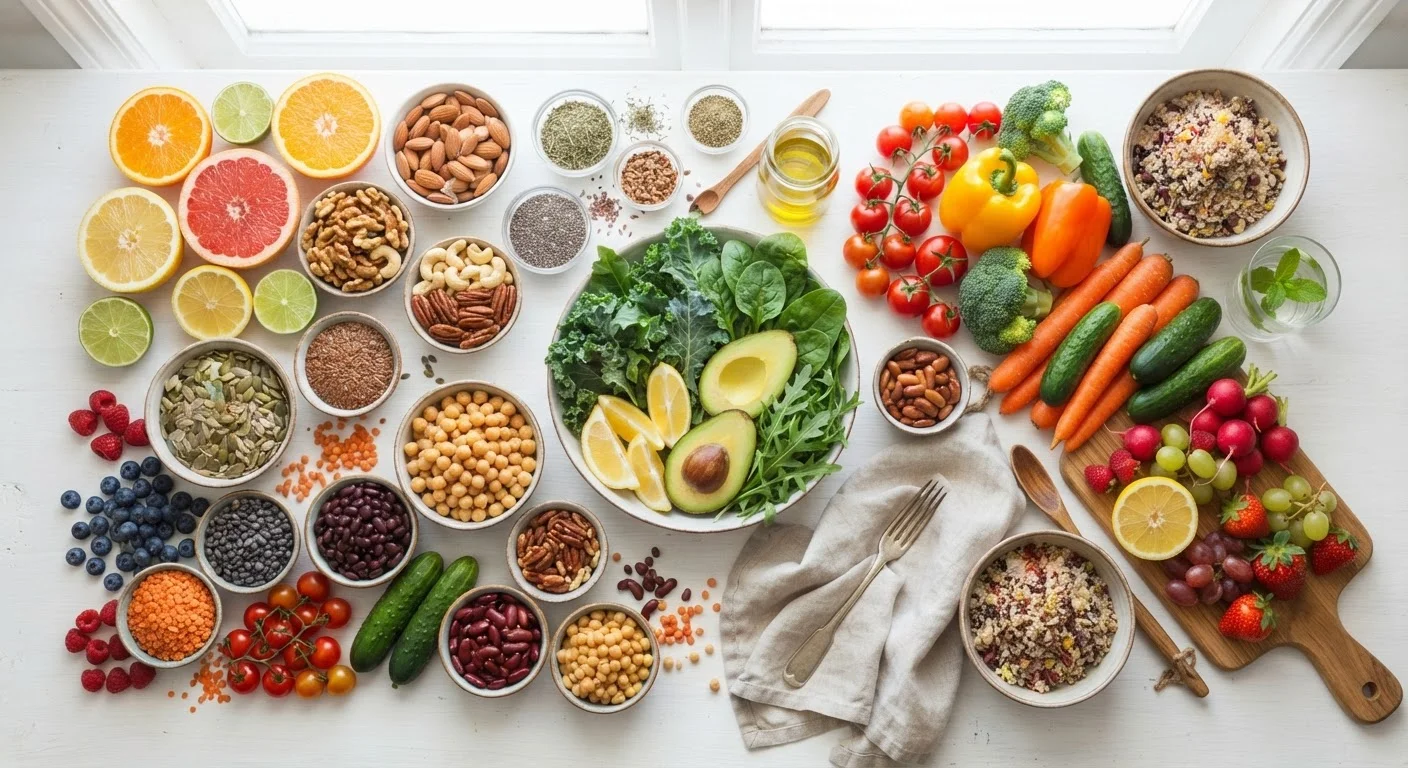
What Are Micronutrients and Why Do They Matter?
Micronutrients are the vitamins and minerals your body needs in relatively small amounts to carry out essential physiological processes — from producing energy and repairing cells to regulating immune function and bone development. Unlike macronutrients like carbohydrates, proteins, and fats, micronutrients supply no direct calories, yet their absence can have significant consequences for health.
Vitamins are organic compounds, meaning they come from living sources and can be broken down by heat, air, or acid. Minerals are inorganic elements that retain their chemical structure regardless of cooking or processing. Both categories are further subdivided: vitamins split into fat-soluble (A, D, E, K) and water-soluble (B vitamins and C); minerals split into macrominerals (needed in larger amounts, such as calcium and magnesium) and trace minerals (needed in very small amounts, such as iron and zinc).
| Total essential vitamins | 13 (National Institutes of Health, Office of Dietary Supplements) |
| Essential minerals recognized | 16+ (National Academies of Sciences, Engineering, and Medicine) |
| Fat-soluble vitamins | A, D, E, K |
| Most common micronutrient deficiency globally | Iron deficiency (World Health Organization) |
| Vitamin D synthesis source | Skin exposure to UVB sunlight (NIH Office of Dietary Supplements) |
| Folate especially critical during | Early pregnancy (CDC folic acid guidance) |
Understanding where each micronutrient comes from and what it does can help you make more intentional food choices every day. See our practical plate self-check to evaluate whether your meals cover the key nutritional bases.
Key Vitamins: Roles and Food Sources
The table below summarizes the primary physiological roles and main dietary sources for the most clinically significant vitamins. Recommended intakes vary by age, sex, and life stage — always consult official dietary reference values or a registered dietitian for personalized guidance.
Fat-soluble vitamins
Vitamins A, D, E, and K, which dissolve in fat and are stored in the body's fatty tissues and liver. Because they accumulate, excessive supplementation carries a risk of toxicity.
Water-soluble vitamins
Vitamin C and the eight B vitamins, which dissolve in water and are not stored in significant quantities. Excess amounts are generally excreted in urine, making regular dietary intake important.
Macrominerals
Minerals required by the body in amounts greater than 100 mg per day, including calcium, magnesium, phosphorus, potassium, sodium, and chloride.
Trace minerals
Minerals needed in very small amounts — typically less than 100 mg per day — such as iron, zinc, iodine, selenium, copper, and manganese, yet still essential for health.
Bioavailability
The proportion of a nutrient from food or a supplement that the body can actually absorb and use. Factors like food preparation method, gut health, and nutrient interactions all influence bioavailability.
Dietary Reference Intake (DRI)
A set of reference values established by the National Academies of Sciences, Engineering, and Medicine to guide adequate nutrient intake for healthy populations in the United States and Canada.
| Vitamin | Primary Role(s) | Key Food Sources |
|---|---|---|
| Vitamin A | Vision, immune defense, cell growth | Liver, dairy, eggs; beta-carotene in carrots, sweet potato, leafy greens |
| Vitamin D | Calcium absorption, bone health, immune modulation | Fatty fish, fortified dairy, egg yolks; synthesized via sunlight exposure |
| Vitamin E | Antioxidant protection, immune function | Sunflower seeds, almonds, wheat germ oil, spinach |
| Vitamin K | Blood clotting, bone metabolism | Kale, broccoli, Brussels sprouts, fermented foods (K2) |
| Vitamin C | Collagen synthesis, antioxidant, iron absorption | Citrus fruits, bell peppers, strawberries, broccoli |
| Thiamin (B1) | Energy metabolism, nerve function | Whole grains, pork, legumes |
| Riboflavin (B2) | Energy metabolism, cellular growth | Dairy, eggs, lean meats, almonds |
| Niacin (B3) | DNA repair, energy production | Chicken, tuna, peanuts, whole grains |
| Folate (B9) | DNA synthesis, red blood cell formation | Dark leafy greens, legumes, fortified grains, citrus |
| Vitamin B12 | Nerve function, red blood cell production | Meat, fish, dairy, eggs; fortified plant foods |
Vitamin B12 and Plant-Based Diets
Vitamin B12 is found almost exclusively in animal-derived foods. People following vegan or strict vegetarian diets are at elevated risk of deficiency and should discuss supplementation or fortified food use with a healthcare provider. Nutritional needs also shift considerably across life stages — see our guide on how dietary needs change from childhood to later life.
Essential Minerals: Roles and Food Sources
Minerals support structural functions (bones, teeth), fluid balance, nerve transmission, and enzyme activity. The following reference covers both macrominerals and important trace minerals.
~1 billion
People estimated to have low vitamin D levels
A widely cited estimate from nutritional epidemiology research, reflecting global prevalence of insufficient vitamin D status.
2 billion
People affected by iron deficiency worldwide
According to the World Health Organization, iron deficiency is the most prevalent nutritional disorder globally.
40%
U.S. adults with inadequate magnesium intake
National Health and Nutrition Examination Survey (NHANES) data suggest a substantial portion of U.S. adults fall below estimated average requirements for magnesium.
| Mineral | Primary Role(s) | Key Food Sources |
|---|---|---|
| Calcium | Bone and tooth structure, muscle contraction, nerve signaling | Dairy, fortified plant milks, tofu, kale, sardines |
| Magnesium | Enzyme reactions, energy production, muscle and nerve function | Pumpkin seeds, legumes, whole grains, dark chocolate |
| Potassium | Fluid balance, blood pressure regulation, heart rhythm | Bananas, potatoes, beans, spinach, salmon |
| Sodium | Fluid balance, nerve transmission (excess linked to hypertension) | Found naturally in most foods; concentrated in processed/packaged items |
| Iron | Oxygen transport via hemoglobin, energy metabolism | Red meat, shellfish, legumes, fortified cereals, tofu |
| Zinc | Immune function, wound healing, protein synthesis | Oysters, beef, pumpkin seeds, chickpeas, cashews |
| Iodine | Thyroid hormone production, metabolism regulation | Iodized salt, seaweed, dairy, seafood |
| Selenium | Antioxidant defense, thyroid function | Brazil nuts, tuna, eggs, sunflower seeds |
When reviewing packaged foods, learning to read a nutrition label accurately can help you quickly identify whether a product meaningfully contributes to your mineral intake.
This article is for general informational purposes only and does not constitute medical or dietary advice. Nutritional needs vary by individual. Consult a qualified healthcare professional or registered dietitian before making significant changes to your diet or beginning any supplementation.