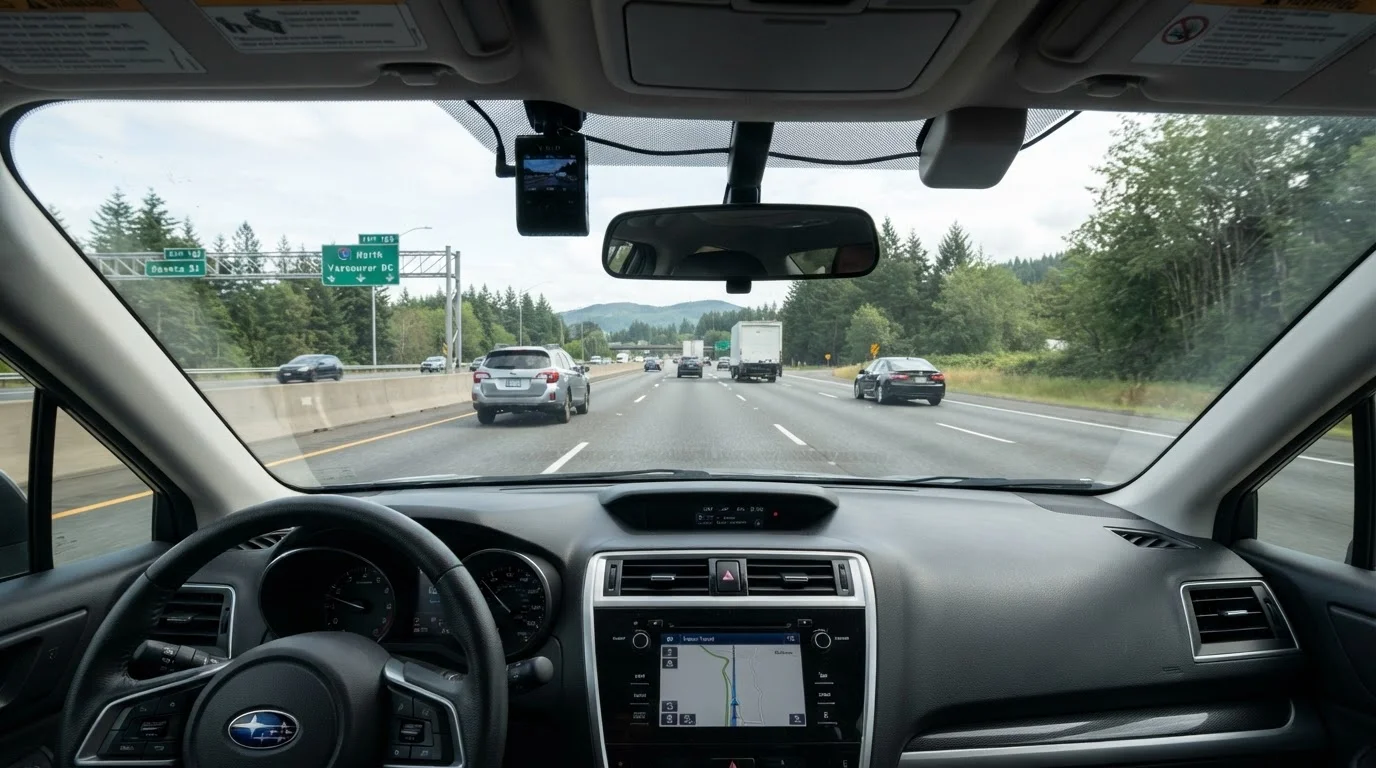
What Dashcams Actually Do
A dashcam — short for dashboard camera — is a compact video recorder mounted to a vehicle's windshield or dashboard. It captures continuous footage of the road ahead (and sometimes behind or inside the cabin) while the vehicle is in motion. Most models loop-record, overwriting older footage when storage fills up, unless an incident triggers automatic file protection.
Modern dashcams range from basic single-lens units to multi-channel systems with GPS tracking, night vision, and cloud connectivity. Some integrate with smartphone apps for live viewing or remote access. Understanding what a dashcam actually records — and what happens to that data — is the starting point for any fair assessment of whether one makes sense for you. For a broader look at how connected devices capture and store data, see our piece on what your smart devices actually record.
The Case For Dashcams
The most compelling argument for a dashcam is straightforward: video evidence is difficult to dispute. When fault in an accident is contested, clear footage of the moments before impact can resolve disagreements quickly and fairly.
Objective evidence in accident disputes
Video footage taken seconds before and during a collision can clearly establish fault, helping drivers avoid unfair blame and expedite insurance claims.
Documentation of hit-and-run incidents
Dashcams can capture license plates and vehicle descriptions when another driver causes damage and leaves the scene, information that is otherwise extremely difficult to obtain.
Protection against fraudulent claims
Staged accidents and false injury claims are a documented form of insurance fraud. Continuous footage can refute dishonest accounts by other parties.
Potential insurance benefits
Some auto insurers offer premium reductions or expedited claims processing for dashcam users, though availability and terms vary by provider and policy.
Captures vandalism and parking incidents
Many dashcams include a parking mode that records when the vehicle is stationary, providing evidence of lot damage or vandalism when the driver is away.
~70%
Drivers who say dashcams improved their sense of security
Consumer surveys conducted by dashcam retailers and road safety organizations consistently find that a large majority of dashcam users report feeling safer with one installed, though self-reported data carries inherent bias.
1 in 6
US drivers involved in a hit-and-run at some point
AAA research has indicated that hit-and-run crashes occur with significant frequency on US roads, underscoring why documentation of surrounding traffic matters to many drivers.
Beyond accident documentation, dashcams can capture hit-and-run incidents, vandalism in parking lots, and erratic behavior by other drivers. For rideshare and commercial drivers, an interior-facing camera can protect against false passenger claims. Some insurers factor dashcam use into premiums, though drivers should verify this directly with their provider as policies vary considerably.
The Case Against Dashcams
The disadvantages of dashcams are real and often underappreciated. The most immediate legal concern involves recording laws. In the United States, most states permit video recording in public spaces, but audio recording laws are more complex — several states require all parties to consent before audio is captured, which applies to in-car conversations.
Footage can incriminate the driver
Dashcam recordings don't distinguish helpful from harmful evidence — if the driver was speeding or distracted, that footage can be used against them in insurance claims or legal proceedings.
State audio recording laws may apply
Several US states have all-party consent laws for audio recording, meaning recording passengers or callers without consent could carry legal penalties even if video-only recording is permitted.
Privacy concerns for others on the road
Dashcams continuously record pedestrians, cyclists, and other drivers who have not consented — raising ethical questions and, in some contexts, emerging regulatory scrutiny.
Cloud-connected models carry data security risks
Dashcams that upload footage to remote servers introduce cybersecurity vulnerabilities; a breached account could expose detailed records of a driver's movements and routines.
Windshield mounting may violate local laws
Some states restrict what can be affixed to a windshield if it obstructs the driver's view; checking local vehicle codes before installation is advisable.
Recording Laws Vary by State
In the US, video recording in public spaces is generally permitted, but audio recording laws differ significantly. States such as California, Illinois, and Florida require the consent of all parties being recorded for audio to be lawfully captured. Before enabling audio on any in-car camera, check the specific wiretapping or eavesdropping statutes in your state. When travelling across state lines, the laws of the state where recording occurs typically apply.
There's also the matter of self-incrimination. A dashcam doesn't selectively record. If a driver runs a red light, speeds, or is distracted at the time of an incident, that footage exists and can be subpoenaed. Dashcam data has been used as evidence against the camera's own owner in both civil and criminal proceedings. Storage and cybersecurity present further concerns, particularly for cloud-connected models that upload footage automatically — worth considering alongside the questions raised in our look at smart home devices and data privacy.
What to Consider Before Installing One
If you're weighing whether a dashcam suits your situation, a few practical questions help frame the decision. First, check your state's specific recording consent laws — particularly for audio. Second, review your insurance policy to understand whether dashcam footage could be requested and how it might be used in a claim.
Consider your driving context. High-mileage commuters, those who regularly drive in congested urban areas, or drivers with a commercial or rideshare use case generally have more to gain than occasional weekend drivers. If privacy is a priority, look for models that store footage locally rather than uploading to cloud servers, and understand how to delete recordings when parking in sensitive areas.
Dashcam use intersects with broader questions about how you approach driving — your awareness, habits, and risk tolerance on the road. For a different angle on road behavior, our editorial team also explored eco-driving versus performance driving and how driving style shapes outcomes.