Why Everyday Habits Matter More Than You Think
Most car problems don't arrive suddenly. They accumulate quietly — the product of dozens of small decisions made daily behind the wheel. Harsh starts, ignored warnings, and skipped fluid checks rarely cause immediate failure, which is exactly why they persist. By the time the damage becomes obvious, repair costs have often multiplied.
Understanding which habits are most harmful — and why they're so common — is the first step toward protecting a vehicle's long-term reliability. These aren't obscure mechanical details; they're patterns that show up consistently in how everyday drivers treat their cars. For newer drivers just building their routines, vehicle maintenance habits for new drivers offers a practical starting point.
~40%
Engine wear occurring during cold starts
Engineering research has long indicated that a significant portion of total engine wear happens in the first minutes of operation before oil fully circulates.
25%
Fuel efficiency loss from underinflated tires
The U.S. Department of Energy has noted that tires underinflated by just 1 PSI per tire can reduce fuel economy by approximately 0.2%, with losses compounding across all four tires.
The Most Damaging Habits — And How to Break Them
The mistakes below aren't rare. They reflect how most people actually interact with their vehicles when life gets busy. Each one is correctable with minimal effort once you know what to look for.
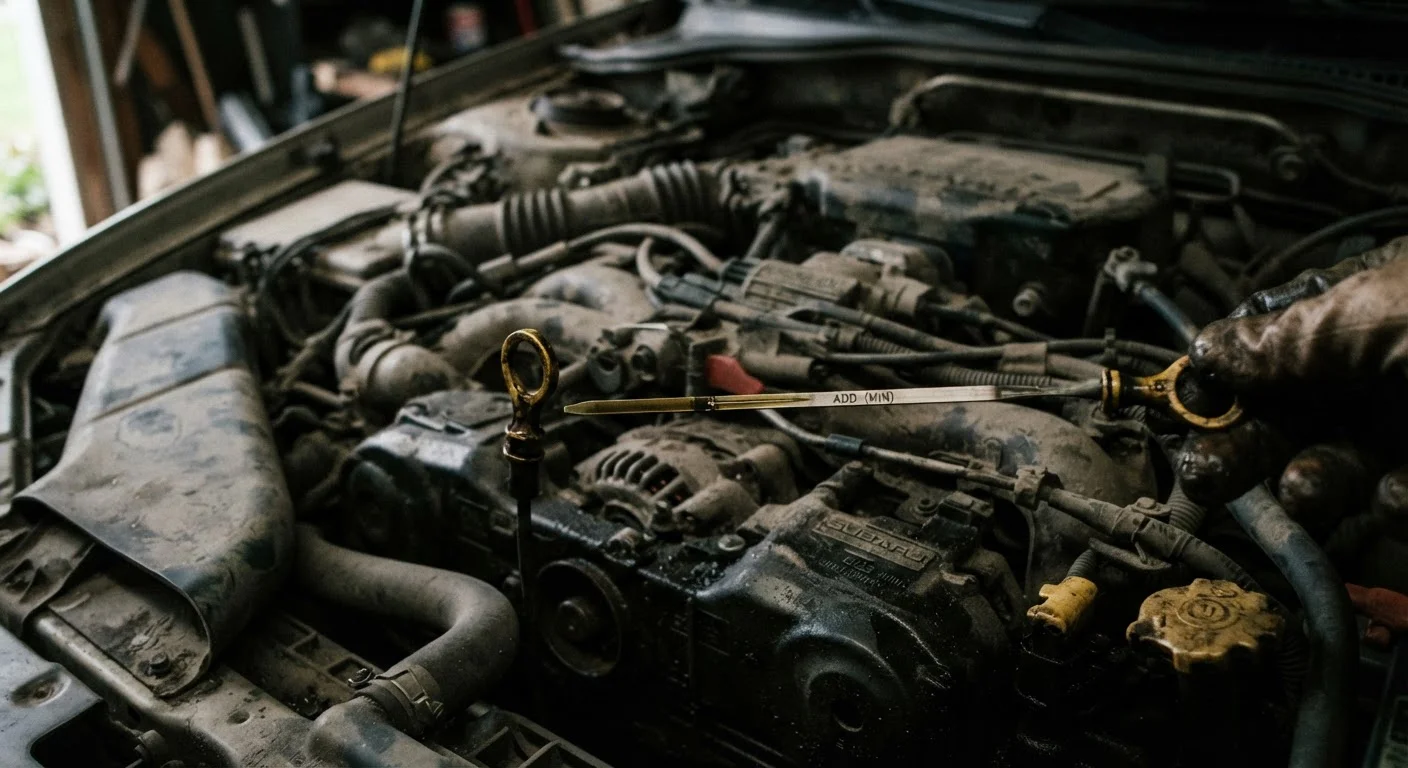
Skipping routine oil and fluid checks between scheduled services.
Why it happens: Drivers often assume that because they had an oil change recently, levels are fine. Leaks, consumption, and heat can deplete fluids faster than expected.
Riding the brakes downhill instead of using engine braking.
Why it happens: Keeping a foot lightly on the brake pedal while descending feels controlled, but it generates sustained heat that glazes brake pads and degrades brake fluid over time.
Only taking the car on very short trips, rarely allowing the engine to fully warm up.
Why it happens: Convenience and urban living mean many drivers make frequent trips under five minutes. Engines running cold operate less efficiently and accumulate moisture in the oil.
Ignoring unfamiliar sounds, vibrations, or smells.
Why it happens: Unusual noises often start subtly and increase gradually, making it easy to normalize them. Some drivers also avoid the mechanic out of concern about repair costs.
Accelerating hard immediately after a cold start.
Why it happens: Modern fuel-injected engines start easily, which can give the impression they are ready for full load instantly. Oil takes time to circulate fully through the engine.
Neglecting tire pressure over weeks or months.
Why it happens: Tires lose pressure gradually and naturally, so the change is hard to notice by feel until it becomes significant. Many drivers check pressure only when a tire looks visibly flat.
Low Oil Is an Engine Emergency
Running an engine with critically low or degraded oil can cause irreversible damage within minutes of operation. Oil doesn't just lubricate — it cools and cleans internal components. If your oil warning light activates while driving, pull over safely as soon as possible and do not continue driving until the issue is assessed by a qualified mechanic.
For a broader look at what often gets overlooked entirely — not just how you drive, but what you skip — overlooked maintenance tasks covers the service intervals most drivers forget.
Building Better Habits Without Overhauling Your Routine
The good news is that most of these habits require minutes, not hours, to address. A monthly fluid check, a slightly gentler start in cold weather, and a willingness to investigate unfamiliar noises promptly — these small adjustments compound into meaningful protection over a vehicle's lifespan.
Dashboard Lights Are Not Suggestions
Many drivers treat warning lights as background noise, especially if the car still seems to drive normally. In reality, lights like the check engine or temperature warning can signal conditions that worsen rapidly with continued driving. Always consult a qualified mechanic when an unfamiliar light appears — do not assume it will resolve on its own.
Think of car care the way you'd think about any gradual process: small neglect adds up quietly, and so does small consistency. Drivers who stay attentive to their vehicle's condition tend to face fewer surprises and lower long-term costs. The car maintenance hub is a useful reference for keeping all routine tasks in one place.