Why Travel Safety Myths Are Genuinely Dangerous
Travel advice spreads fast — through social media, well-meaning friends, and decades-old guidebooks. The problem is that a lot of it is wrong, and acting on bad information in an unfamiliar place carries real consequences. Misplaced confidence based on myths can leave travelers exposed to risks they didn't see coming.
This article examines some of the most persistent travel safety misconceptions and replaces them with evidence-grounded corrections. Whether you're a first-time independent traveler or a seasoned road warrior, it's worth stress-testing what you think you know. For a broader foundation, see our guide to essential safety habits for first-time travelers.
Myth
Tourist areas are the safest places to spend time because there are more people and more police presence.
Fact
High-traffic tourist zones are often prime locations for petty theft, scams, and opportunistic crime precisely because of the concentration of distracted visitors.
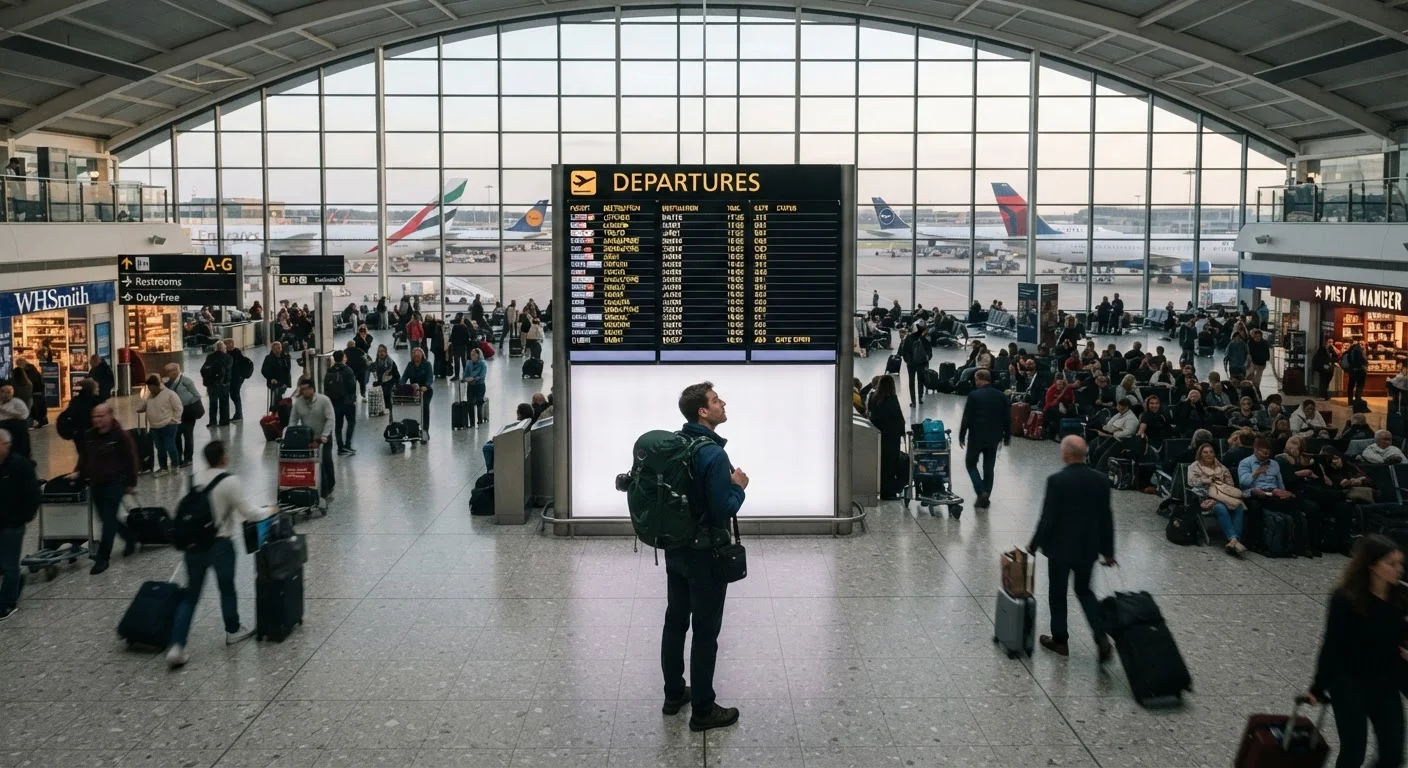
Pickpockets and confidence tricksters go where their targets are. Crowded attractions, busy transport hubs, and popular markets provide ideal cover for theft — noise, jostling, and distraction all work in a thief's favor. Visible policing in tourist zones is often a deterrent for violent crime, but it does little to prevent skilled pickpockets working a crowd.
A more reliable approach is to stay aware of your surroundings in any environment, keep valuables secured and out of sight, and avoid displaying expensive cameras, phones, or jewelry unnecessarily — regardless of how popular the area is.
Myth
If I have travel insurance, I'm covered no matter what happens.
Fact
Travel insurance policies vary widely, and most include significant exclusions — from pre-existing medical conditions to adventure activities and civil unrest.
The word "insurance" implies comprehensive protection, but every policy is built around exclusions as much as inclusions. Common gaps include: coverage limits that fall short of actual medical evacuation costs, exclusions for activities like scuba diving or motorcycling, requirements that you report theft to local police within a specific window, and limitations on claims if a government advisory warned against travel to that area before your trip began.
Reading the policy document — specifically the exclusions section — before purchasing is the only reliable way to know what you're actually covered for. When in doubt, contact the insurer directly with specific scenario questions before you travel.
Myth
A government travel advisory means a destination is too dangerous to visit.
Fact
Advisories use tiered systems and often apply to specific regions or risk types within a country — not a blanket judgment that an entire nation is off-limits.
Most government travel advisory systems (such as the U.S. State Department's four-level framework) distinguish between "exercise normal precautions," "exercise increased caution," "reconsider travel," and "do not travel" — and these designations are often applied at the sub-national level. A country may have a high-risk advisory for one province while another region in the same country carries no elevated warning at all.
Advisories are valuable inputs for planning, not verdicts. Travelers should read the specific language, check which areas within a country are flagged, understand the nature of the risk (political instability, health outbreaks, crime), and verify with their country's official embassy or consulate before making decisions. Conditions also change — always check close to your departure date.
Myth
Blending in with locals will keep you safe from becoming a target.
Fact
While avoiding obvious displays of wealth or tourist behavior reduces some risk, blending in is not a reliable safety strategy on its own — and can create overconfidence.
The idea of "blending in" assumes that most crime is based on nationality or appearance, when in reality opportunity and distraction are bigger factors. Someone who dresses modestly and avoids a camera around their neck but walks while staring at a phone, has a bulging back pocket, or is visibly confused by maps is still a visible target.
Practical situational awareness — knowing where you are, keeping valuables secured, trusting instincts when a situation feels off, and being deliberate rather than distracted in public — is consistently more effective than any attempt at cultural camouflage. Authentic engagement with local customs matters for respect and experience; it shouldn't be confused with a safety tactic.
Myth
You only need a photocopy of your passport left at home — the original is fine to carry everywhere.
Fact
Carrying your original passport everywhere unnecessarily increases the risk of loss or theft; secure storage at your accommodation, combined with a digital backup, is generally advisable.
Your passport is your most critical travel document, and losing it abroad can cause significant disruption. Many experienced travelers carry a certified photocopy or a high-quality photo of the data page on their phone as day-to-day ID, storing the original in a hotel safe or locked luggage. Some destinations do legally require you to carry identification at all times — always verify local law.
A digital backup stored securely (an encrypted cloud folder or a dedicated secure app) means you have access to document numbers and details even if your physical backup is also lost. Leave copies with a trusted contact at home as well. The right approach depends on your destination and itinerary — research local requirements before deciding on a system.
Staying Safer With Accurate Information
The myths above share a common thread: they create a false sense of security, or a false sense of danger, that distorts decision-making. Travelers who rely on them may skip precautions that genuinely help, or avoid destinations based on reputation rather than current, verified conditions.
Verify Entry and Safety Conditions Officially
Visa rules, entry requirements, vaccination mandates, and regional safety conditions change frequently. Never rely solely on travel blogs, forums, or this article for definitive guidance. Always verify current requirements through your government's official travel advisory portal and the embassy or consulate of your destination country before traveling.
Building real safety habits means prioritizing reliable information sources — official government travel advisory pages, your country's embassy or consulate, and reputable travel health organizations — over anecdote and rumor. The safety habits that hold up across very different destinations are rooted in awareness and preparation, not assumptions about which places or crowds are inherently safe.
If you're planning a new trip, the Travel Essentials hub is a practical starting point for building knowledge across visas, packing, health, and risk awareness before you leave home.
~30%
Travelers who read their full insurance policy
Industry surveys consistently suggest the majority of travelers do not read their travel insurance policy documents in full before departure, leaving many unaware of key exclusions.
4-tier
U.S. State Department advisory levels
The U.S. Department of State uses a four-level advisory system, with many countries receiving different ratings for different regions — a nuance that country-level summaries often obscure.