Why Scams Work — And Why Tourists Are Targeted
Tourist scams are not random acts of opportunism. They are structured routines, refined over time, that exploit a specific set of conditions: unfamiliarity with local norms, time pressure, language barriers, and the natural desire to be helpful or polite. Understanding this shifts your approach from reactive alarm to informed awareness.
The patterns below recur across cities, regions, and travel contexts. They are not tied to any particular culture or country — similar schemes appear in major transit hubs, beach towns, and heritage sites worldwide. Knowing how they work before you land gives you a cognitive shortcut when the situation arises in real life.
For a broader foundation on preparing for unfamiliar destinations, researching your destination thoroughly before departure is a practical first step.
The Unofficial Taxi or Transfer
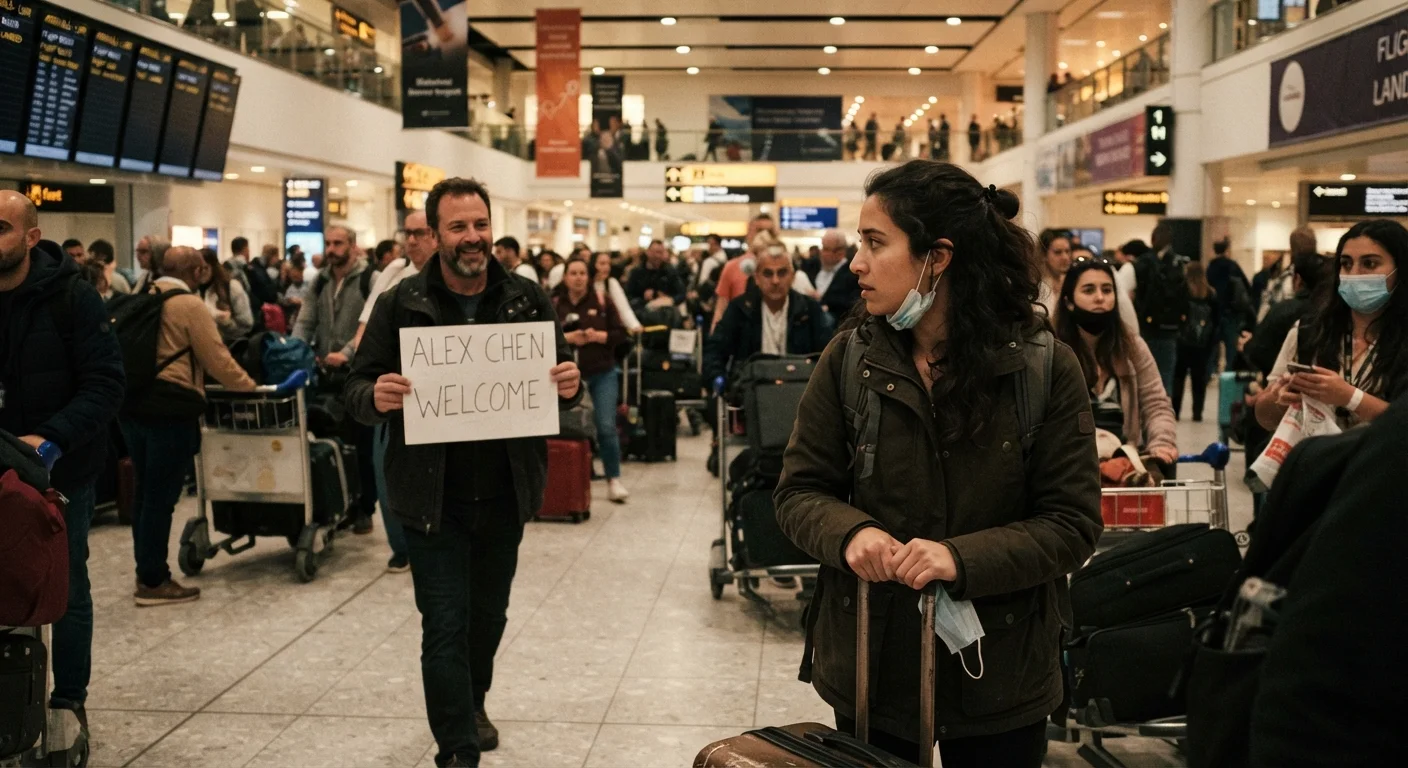
At airports and train stations, individuals posing as drivers — sometimes holding handwritten signs — approach arriving travelers and offer transport. They may appear official, but they are not part of any regulated system. Fares are either agreed vaguely upfront and inflated on arrival, or the meter is rigged.
The defence is procedural: arrange airport transfers before departure where possible, use clearly marked official taxi ranks, or use apps that show the fare before you enter the vehicle. Transport safety guidance for international travel explains what legitimate licensed services typically look like across different regions.
Arrange transfers in advance and use official ranks — never accept unsolicited offers at arrivals.
Currency Sleight of Hand
This scam occurs at informal exchange counters, market stalls, or even taxi rides. A vendor quotes a rate, accepts your cash, then returns change in lower-denomination notes, a different currency, or simply short-changes you while engaging in rapid, friendly chatter.
Count change slowly and openly before pocketing it. Familiarise yourself with local banknotes and coins before arrival — even a few minutes reviewing images online makes a significant difference. Understanding how exchange rates and conversion fees actually function is covered in how currency exchange works abroad.
Count your change slowly every time — speed and friendliness are tools of misdirection.
The Fake Official or Inspector
A person presents themselves as a police officer, transport inspector, or government official and demands to see your passport, wallet, or travel documents — sometimes claiming they are investigating counterfeit currency or drug trafficking. In some variations, a real-looking badge or ID card is shown.
Legitimate officers rarely approach tourists unprompted in this manner. If someone claims authority, ask to be taken to an official police station or your country's nearest consulate rather than handing over documents on the street. Never hand your wallet to a stranger, regardless of the claimed reason.
Request to resolve any official matter at a police station — never hand documents to strangers on the street.
Distraction and Bump-and-Grab Theft
Distraction theft operates in coordinated groups. One person creates a scene — spilling something on you, asking for directions with a map, or pointing at something on the ground — while an accomplice picks your pocket or removes your bag. Crowded tourist sites, metro platforms, and busy restaurant terraces are common settings.
Keep bags in front of your body in high-density crowds. Phones placed on café tables and passports in back pockets are the most common targets. Reacting to sudden, unexpected physical contact with a stranger by immediately checking your pockets is a habit worth building.
In crowded spaces, unexpected physical contact is often a deliberate distraction — check your pockets immediately.
The Unsolicited Gift or Service
A bracelet is tied on your wrist, flowers are pressed into your hand, or someone begins polishing your shoes without being asked. Once accepted, the person insists on payment — sometimes aggressively. This exploits the social norm of reciprocity: once you have received something, most people feel obligated to give something back.
The key is to decline clearly before the item or service is completed. A firm, polite refusal at the first point of contact — before the bracelet is tied — is far easier than negotiating afterward. You are not being rude; you are declining an unsolicited commercial approach.
Decline unsolicited gifts or services before they are completed — obligation is the mechanism, not generosity.
The Overpriced or Switched Menu
In tourist-heavy areas, some restaurants display a menu at the entrance but present a different, higher-priced menu once you are seated. Alternatively, unlisted items are recommended verbally — often at significantly inflated prices — and added to the bill without prior discussion of cost.
Ask to see the printed menu with prices before ordering, and confirm the price of any recommended item before accepting it. Checking recent visitor reviews for a venue — as part of your pre-trip research — can flag this pattern before you arrive. Common myths about travel planning addresses why assuming popular spots are always reliable can lead travelers astray.
Always confirm prices before ordering, especially for items recommended verbally rather than listed on a menu.
The Too-Good Accommodation or Tour
Particularly common in high-traffic tourist markets: a street tout or online listing offers a tour, guesthouse, or experience at an implausibly low price. The actual product on arrival differs substantially from what was promised — or the operation exists primarily to deliver you to shops where commission is earned from your purchases.
Use verifiable booking platforms, cross-reference addresses on mapping tools, and read recent reviews from multiple independent sources. If a price is significantly below every comparable option, that gap is usually informative. Applying consistent travel research methods before booking reduces the chances of accepting an offer on the spot without context.
A price far below comparable options is data, not luck — investigate before committing.
Staying Aware Without Staying Anxious
Recognising these patterns is not about approaching every stranger with suspicion — it is about having a mental framework ready so you can assess a situation calmly rather than reactively. Most interactions abroad are genuine. Scams stand out precisely because they deviate from how normal transactions and encounters work.
Build Your Awareness Before Departure
Spend 15–20 minutes before any trip reading recent traveler reports specific to your destination — forums, travel advisories from your government, and recent reviews often surface active scam patterns in a given city or region. This context is far more useful than generic warnings because it is current and location-specific. Your country's official travel advisory site is a reliable and free starting point.
Pair this awareness with solid digital habits on the road. Protecting your personal data while traveling covers ATM skimming, phishing, and public Wi-Fi risks that often accompany physical scams. For transport-specific guidance, transportation safety abroad addresses what to look for across different vehicle types. And for habits that carry across many destinations, widely applicable travel safety habits offers a practical complement to the pattern recognition covered here.
This article is for general informational purposes only. Conditions, risks, and local regulations vary widely by destination. Always verify safety guidance and official procedures with government travel advisories and local authorities before and during your trip.