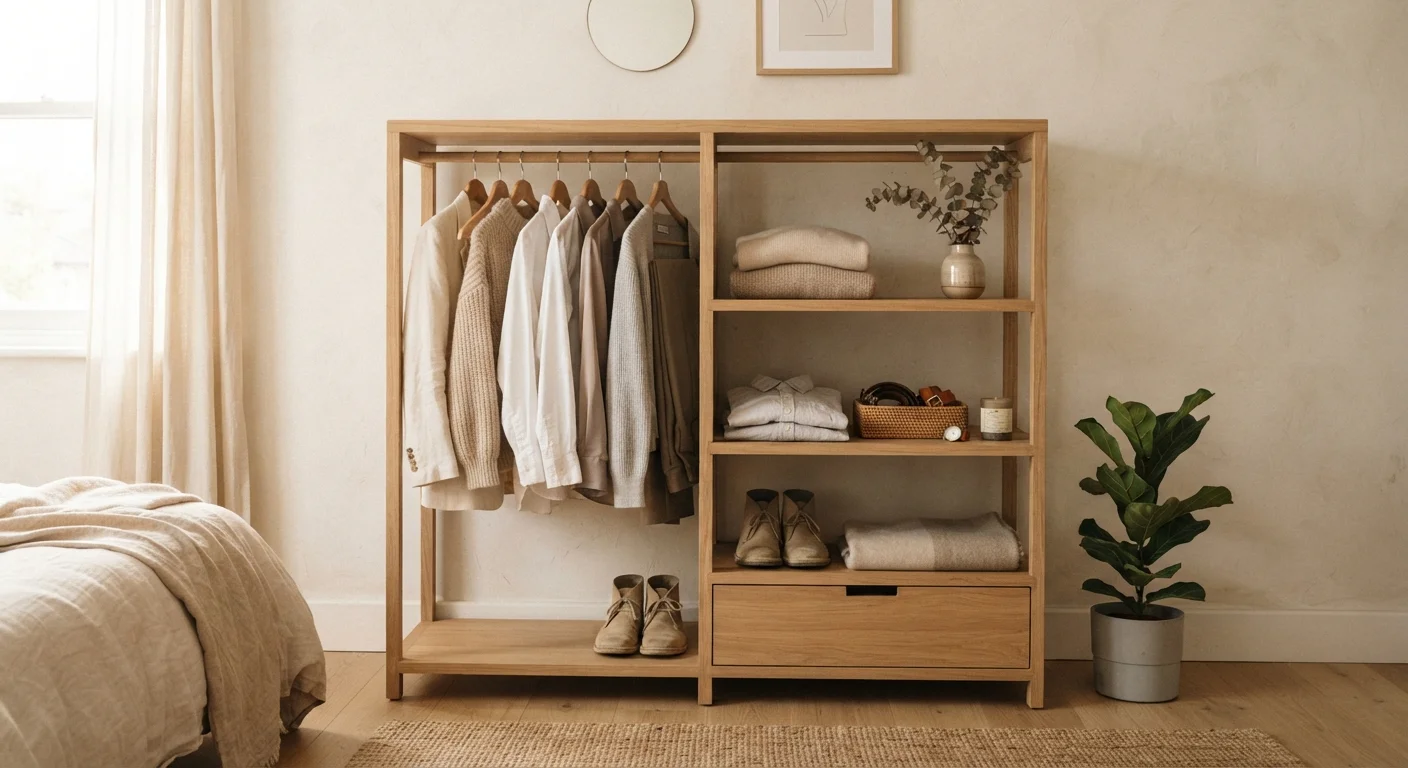
Why Budget Doesn't Determine Style
The assumption that personal style requires significant spending is widespread — and largely unfounded. What separates a wardrobe that feels coherent and intentional from one that feels scattered has almost nothing to do with price tags. It comes down to clarity: knowing what you're drawn to, understanding how clothes work on your specific body, and making choices that reflect those preferences consistently.
A limited budget does introduce real constraints, but it also enforces a useful discipline. When you can only buy a few things, those things need to work harder. That pressure tends to produce more considered wardrobes than unlimited spending ever does. The practices in this article are built around exactly that logic.
Style and Budget Are Separate Variables
Spending more does not guarantee a more coherent or flattering wardrobe. Many readers conflate price with style, but the two operate independently. Thoughtful curation, colour awareness, and understanding your own preferences are skills — not purchases. This article addresses the skill side of the equation.
The Practices That Matter Most
The following approaches reflect how people with genuinely limited clothing budgets build wardrobes that feel expressive, functional, and authentic. They're ordered by foundational importance — start with the first before worrying about the rest.
Clarify your aesthetic before spending anything.
Impulse purchases made without a defined direction fragment a wardrobe rather than building it. Knowing what you're drawn to — even loosely — filters out clothes that feel exciting in the store but unused at home. It also prevents the cycle of buying more to compensate for owning the wrong things.
Prioritize fit over everything else, including price.
A well-fitting garment in a modest fabric reads better than an expensive piece that pulls or hangs incorrectly. Poor fit is the single most common reason clothes go unworn despite being 'nice.' Basic alterations — hemming, taking in a seam — are inexpensive and transformative.
Build around a personal colour palette rather than seasonal trends.
When every item in your wardrobe shares a colour logic, pieces mix and match naturally, which multiplies outfit options without requiring more clothing. Trend-driven colour choices, by contrast, often date quickly and clash with existing items. See finding your colour palette for practical guidance.
Treat secondhand and clothing-swap channels as primary — not last resort.
Thrift stores, consignment shops, clothing swaps, and peer-to-peer resale platforms significantly widen what a limited budget can access. Approaching them with a clear list of what the wardrobe actually needs, rather than browsing generally, makes these sources genuinely productive.
Invest care into what you already own.
Proper laundering, storage, and minor repairs extend the lifespan of garments significantly and maintain their appearance. Many items that look worn or tired have simply been over-washed, tumble-dried at high heat, or stored incorrectly. Clothes that look well-maintained read as intentional regardless of price point.
Apply a cost-per-wear lens to any new purchase decision.
A lower-priced item worn twice is more expensive in practical terms than a higher-priced item worn frequently. This reframe helps direct spending toward versatile, repeatable pieces rather than single-occasion or novelty items that drain a limited budget. It also naturally aligns spending with the capsule wardrobe concept.
For readers navigating a broader financial reset alongside wardrobe changes, the budgeting basics hub offers structured approaches to managing discretionary spending categories, including clothing.
Where to Start Today
Most wardrobe improvements don't require a single purchase. The highest-impact first steps are usually subtractive — removing what doesn't work — and reflective — getting clearer on what you actually want to express. If you're navigating a bigger life shift alongside a budget wardrobe rebuild, our piece on adapting your style through life transitions addresses how to approach that without losing your footing.
“Style is knowing who you are, what you want to say, and not giving a damn.”
— Gore Vidal, American author and cultural critic
Style built on self-knowledge and intentional choices tends to be far more durable — and far less expensive — than style chased through constant purchasing. The goal is a wardrobe that reflects who you are, not how much you spent.