The 'Starter Pet' Myth
Small animals are routinely marketed as the sensible first step into pet ownership — tidy, contained, and manageable. The reality is more layered. Before committing to any pet, it helps to understand what daily life with each animal genuinely involves, not just what it looks like on day one.
Guinea pigs, fish, and rabbits each carry distinct care profiles, temperaments, and veterinary needs. Matching the right animal to your household's actual rhythms — rather than its aspirations — is what determines whether the experience is positive for both child and pet.
Involve Children in the Research First
Before any pet comes home, bring children into the decision-making process. Visit a local animal shelter or rescue that houses small animals, read age-appropriate books about the species together, and discuss what daily care actually looks like. Children who understand the commitment from the start are more likely to stay engaged — and less likely to lose interest once novelty fades.
Guinea Pigs: Sociable but Demanding
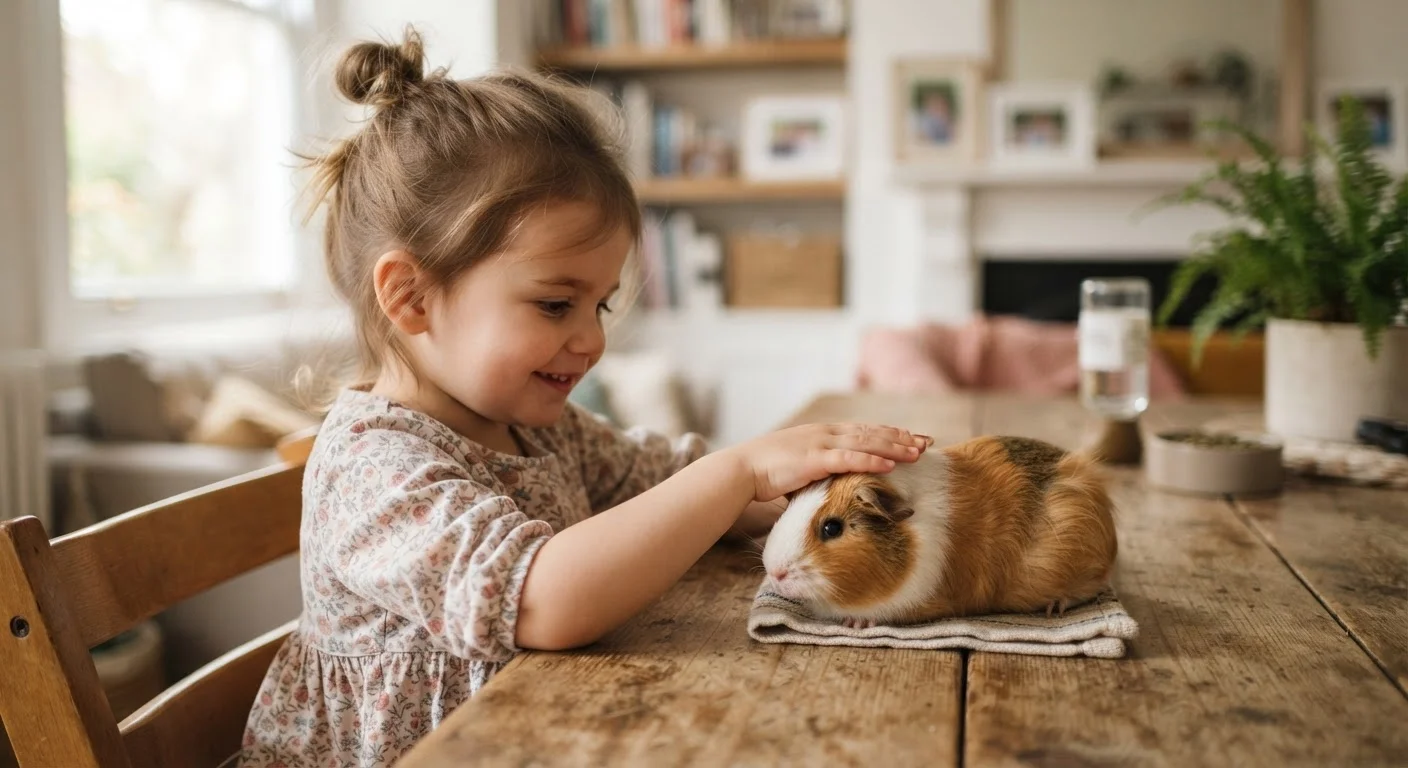
Guinea pigs are among the most child-friendly small mammals because they are gentle, rarely bite when handled correctly, and communicate through a rich range of sounds — wheeks, purrs, and rumbles — that children find genuinely engaging. However, they are highly social animals. Keeping a single guinea pig is widely considered poor welfare practice by veterinary and exotic animal organizations; they do best in same-sex pairs or small groups.
Their enclosure needs to be larger than many commercial cages suggest — a minimum of 7.5 square feet of floor space for two animals is a commonly cited guideline, with more always preferable. They require fresh hay daily (the bulk of their diet), leafy greens, and a reliable source of vitamin C, since they cannot synthesize it themselves. Spot-cleaning their habitat should happen every day, with a full clean weekly.
For children, guinea pigs offer real interactivity. They can be lap animals, they respond to familiar voices, and they are active during daylight hours. That said, placing full responsibility on a child almost always leads to lapses in care. An adult must remain the primary caregiver.
Fish: Lower Touch, Higher Maintenance Than Expected
Fish occupy a unique position: they cannot be held, they don't learn their owner's name, and their emotional expressiveness is minimal. Yet many families find them deeply calming — watching a well-maintained aquarium has been linked in some research to reduced stress, and children can develop genuine attentiveness through the routine of fish care.
The catch is water chemistry. A healthy aquarium requires cycling the tank before introducing fish — a process that establishes beneficial bacteria and can take several weeks. Ammonia, nitrite, and nitrate levels must be monitored regularly. Overfeeding is one of the most common causes of fish death in home tanks, and it's a very easy mistake for enthusiastic children to make.
Goldfish, commonly gifted as starter pets, can live 10–15 years and grow considerably larger than most people expect, requiring substantial tank space. Tropical freshwater species like guppies or tetras can be a reasonable starting point with proper setup. How and where a pet lives shapes the whole family routine, and an aquarium is a permanent fixture that requires consistent attention.
8–12 years
Typical rabbit lifespan
Many families underestimate the long-term commitment a rabbit represents when considering one as a children's pet.
~30%
Small pets surrendered within first year
Animal welfare organizations report that rabbits and guinea pigs are among the most commonly surrendered pets, often due to unmet care expectations.
Rabbits: Intelligent, Sensitive, and Often Misunderstood
Rabbits are frequently purchased for young children and frequently surrendered to shelters within a year. The mismatch usually comes down to one thing: rabbits are prey animals with complex social and environmental needs that most families don't anticipate.
They should not be kept in small hutches. Veterinary and animal welfare organizations broadly recommend that rabbits have access to a living space of at least 12 square feet combined with a larger run or free-roaming access. Like guinea pigs, rabbits generally do better in bonded pairs. They are crepuscular — most active at dawn and dusk — and may not be interactive during the times children most want to engage with them.
Rabbits dislike being picked up, and mishandling can cause serious injury to the animal (fractured spines from kicking are not uncommon). With time, patience, and appropriate interaction at the rabbit's level, they can become affectionate and curious companions. They also need hay as the foundation of their diet, routine dental and veterinary checks, and spaying or neutering is typically recommended for health and behavioral reasons.
For families with older children who are ready to learn an animal's signals and preferences, rabbits are genuinely rewarding. Building a bond that works for both child and animal takes time and adult guidance.
| Guinea Pigs | Fish | Rabbits | |
|---|---|---|---|
| Handleability | Good — generally tolerant of gentle handling | None — observation only | Moderate — dislikes being picked up |
| Social needs | Need to be kept in pairs or groups | Varies by species | Best kept in bonded pairs |
| Daily care time | Moderate — feeding, spot-cleaning, interaction | Low — feeding, monitoring water | Moderate to high — feeding, cleaning, enrichment |
| Space required | Large enclosure — min. 7.5 sq ft for two | Tank size varies by species | Large enclosure plus run — min. 12 sq ft |
| Lifespan | 4–7 years | 1–15+ years depending on species | 8–12 years |
| Best age for children | 6 and up with supervision | Any age with adult oversight | 10 and up recommended |
| Veterinary complexity | Requires exotic vet | Specialist if ill | Requires exotic vet; spay/neuter advised |
Making the Right Choice for Your Family
All three animals have real veterinary needs — and exotic species like guinea pigs and rabbits may require a vet with specialized knowledge, which can mean higher costs. It's worth researching exotic animal vets in your area before bringing any small pet home.
Think honestly about your household's schedule, budget, and tolerance for mess. Consider who will maintain care during school holidays, illnesses, and busy stretches. The foundations of good pet care — consistency, appropriate housing, and regular health monitoring — apply as much to a rabbit as to a dog. Small does not mean simple.
If your family is still weighing options more broadly, a closer look at small pets including hamsters may help round out the picture before you decide.
This article is for general informational purposes only. For specific veterinary or animal welfare guidance, consult a qualified veterinarian or accredited animal care professional.