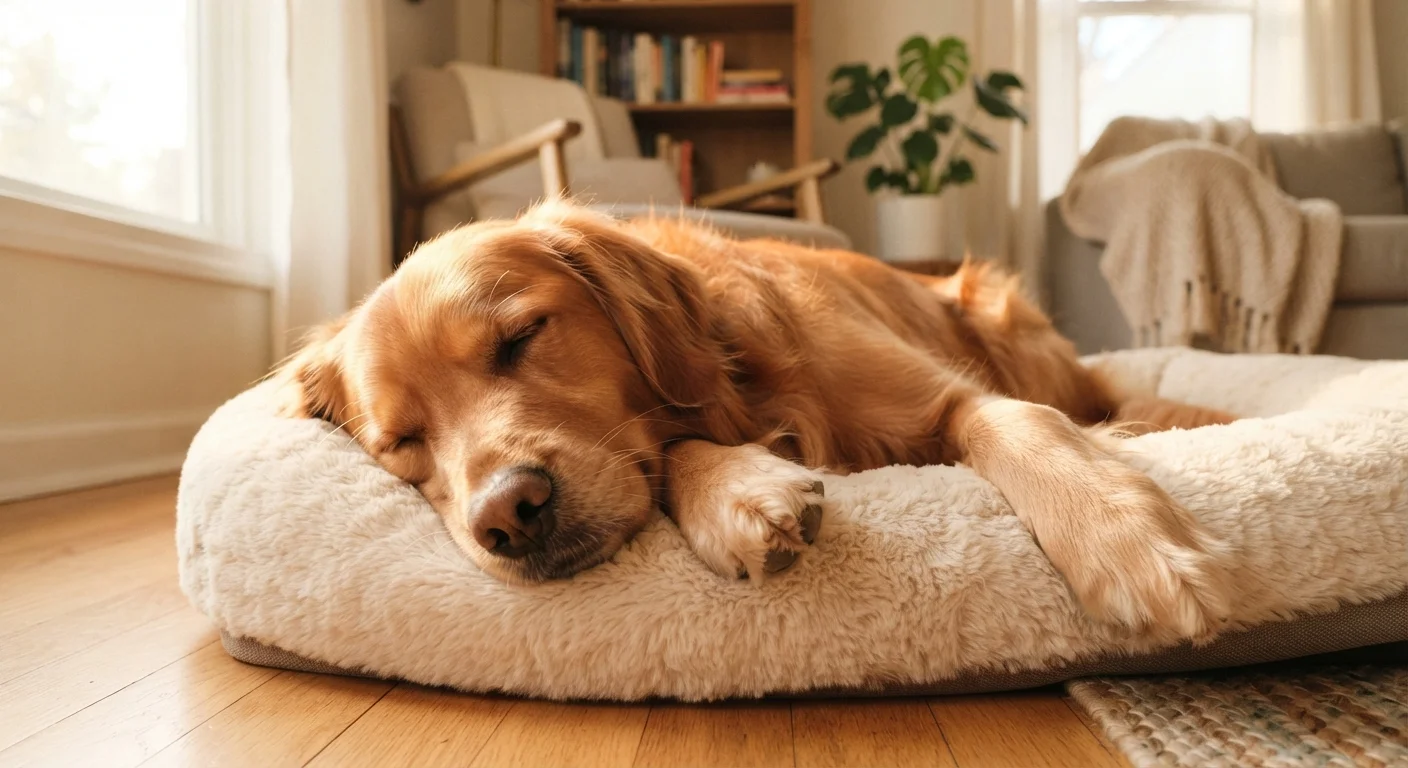
Why Sleep Is a Vital Sign Worth Watching
We track our pets' eating habits and note changes in their energy levels, but sleep often goes unexamined — until something seems obviously wrong. That's a missed opportunity. The way your pet sleeps, how long, how deeply, and where, provides quiet but meaningful clues about how they're feeling day to day.
Sleep is when the body repairs itself, consolidates memory, and regulates immune function. For pets, as for people, disrupted or dramatically altered sleep is rarely random. It tends to reflect something happening beneath the surface, whether that's physical discomfort, emotional stress, or simply the natural shifts that come with aging.
Understanding your pet's baseline sleep habits makes you a more observant and responsive caregiver — and puts you in a much better position to catch early warning signs before they become serious problems.
12–16 hrs
Daily sleep for a typical adult cat
Veterinary sources consistently note that cats sleep far more than most mammals, a trait linked to their energy-intensive hunting ancestry.
Up to 20 hrs
Sleep needed by puppies and kittens daily
During early development, sleep supports neurological growth and immune system maturation in young animals.
~90 min
Approximate dog sleep cycle length
Dogs cycle through sleep stages roughly every 90 minutes, compared to the approximately 70–120 minute cycle in humans, according to veterinary sleep research.
Normal Sleep Needs by Species and Life Stage
There's no universal rule for how much sleep a pet needs, because that varies considerably by species, breed size, and age. Dogs, for example, typically sleep 12 to 14 hours per day, often distributed across several naps. Large breeds and working dogs tend toward the higher end of that range. Cats are famously long sleepers, regularly clocking 12 to 16 hours, a holdover from their energy-conserving predatory ancestry.
Life stage matters just as much as species. Puppies and kittens may sleep 18 to 20 hours a day because sleep plays a direct role in physical and neurological development. Senior pets often increase their rest as their bodies work harder to maintain basic functions. An adult dog suddenly sleeping like a senior may not just be aging gracefully — it's worth paying attention.
Small animals like rabbits, guinea pigs, and hamsters have their own rhythms entirely. Many are crepuscular, meaning they're most active at dawn and dusk, and they may sleep in short, irregular bursts rather than long consolidated periods. Learning what's normal for your specific animal is the foundation for recognizing when something has shifted. Your pet's living environment also plays a role — indoor and outdoor pets can develop quite different activity and rest cycles.
When Sleep Changes Signal a Problem
A one-off restless night or an extra-long nap after a big day of activity isn't cause for alarm. But patterns that persist over several days — or changes that appear suddenly alongside other symptoms — deserve closer attention.
Excessive sleeping, often called lethargy, can indicate illness, pain, hormonal imbalances like hypothyroidism in dogs, or even depression. On the other end, a pet who is suddenly pacing at night, waking frequently, or seeming unsettled during sleep may be experiencing anxiety, cognitive changes (particularly in older pets), or physical discomfort that makes rest difficult.
Reading stress signals in pets is a skill worth developing alongside sleep observation. The two often go hand in hand — a stressed pet tends to show it in their behavior during waking hours, but also in disrupted or restless sleep.
Keep a Simple Sleep Log
If you suspect your pet's sleep has changed, try tracking it briefly before your vet visit. Note roughly how many hours they're sleeping, where they're resting, and whether they seem restless or easy to wake. Even a few days of observations can give your veterinarian helpful context and speed up the diagnostic process.
If you notice a meaningful change in your pet's sleep habits, keep a brief log for a few days — noting duration, location, and any accompanying behaviors — before your vet appointment. This kind of observational record can be genuinely useful in diagnosis.
Creating Conditions for Healthy Pet Sleep
Just as humans sleep better with a consistent routine and a comfortable environment, pets thrive with predictable, restful conditions. A dedicated sleep space — a bed, crate, or quiet corner — signals to your pet that it's safe to fully relax. This is especially important for prey animals and anxious pets who need to feel secure before they can rest deeply.
Temperature, noise levels, and household activity patterns all affect sleep quality. A dog in a chaotic, unpredictable environment may struggle to settle, which over time can affect their mood, behavior, and immune health. Under-stimulation during waking hours can also affect nighttime rest — a pet that hasn't had adequate mental or physical engagement may be restless when the household quiets down.
Establishing a gentle wind-down rhythm for your pet — reduced stimulation in the evening, consistent sleep times — mirrors the kind of intentional approach that benefits human sleep too. Building healthy routines early in a pet's life makes these patterns easier to maintain long-term.
This article provides general pet care information and is not a substitute for personalized veterinary advice. If you have concerns about your pet's health or sleep habits, please consult a licensed veterinarian.