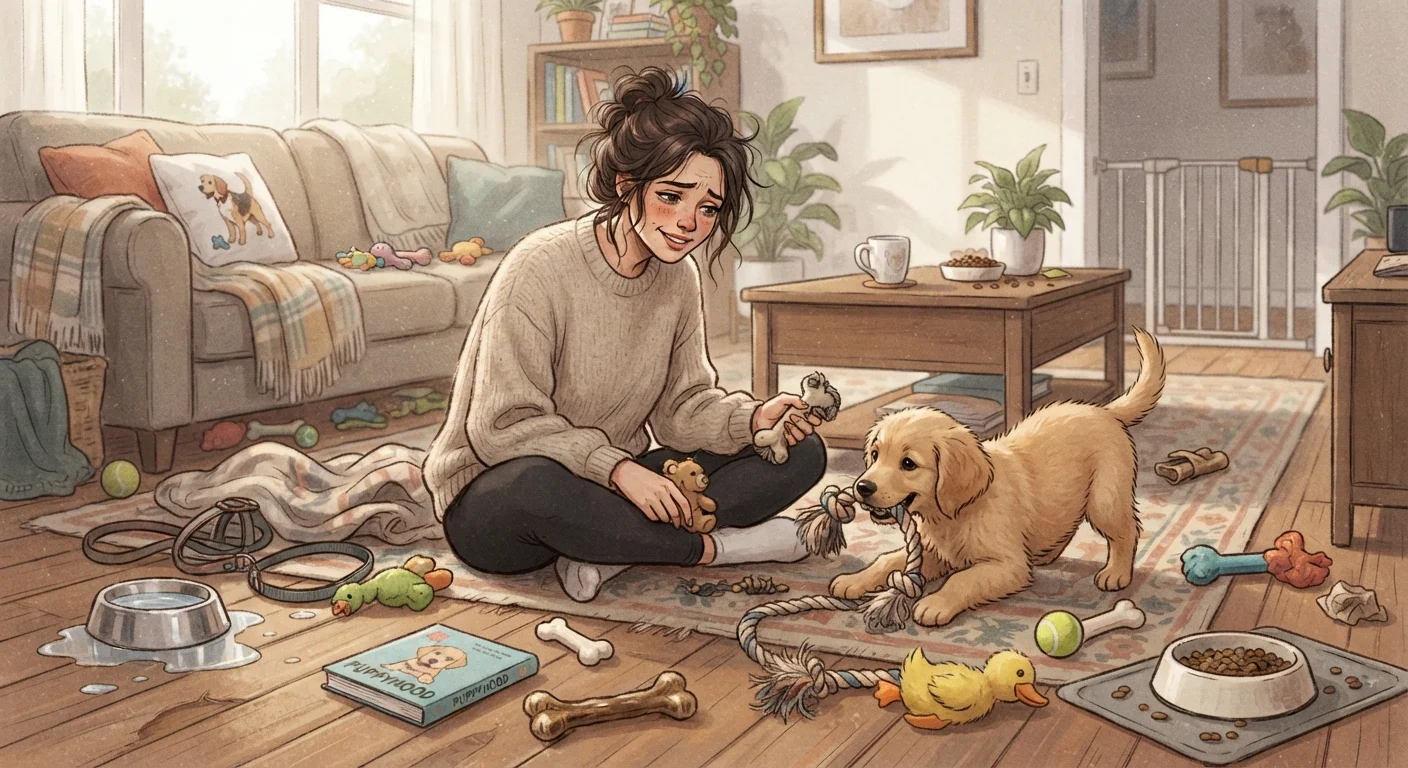
Why the First Month Sets the Tone
Bringing a pet home is genuinely exciting — and genuinely overwhelming. In that first month, new owners are running on enthusiasm, good intentions, and sometimes very little sleep. It's precisely this combination that makes early mistakes so common and so understandable.
The habits, boundaries, and routines established in those first few weeks tend to stick. A pet who learns that begging at the table gets results, or that being left alone triggers panic, carries those lessons forward. The good news: most first-month mistakes are easy to correct once you know what to watch for. Our guide to bringing a pet home for the first time walks through preparation steps that help you start on solid ground.
Overfeeding or free-feeding without structure.
Why it happens: New owners associate food with love, and a pet that eagerly eats more feels like a happy pet. Portion guidelines on packaging can also be confusing or overly generous.
Skipping or delaying the first veterinary visit.
Why it happens: If the pet seems healthy, owners often assume a vet visit can wait. The upfront cost and scheduling effort can also feel like barriers.
Missing the critical socialisation window.
Why it happens: Owners want to give a new pet time to 'settle in,' which sometimes means keeping them isolated from the world far longer than necessary.
Allowing behaviours in week one that won't be acceptable long-term.
Why it happens: A tiny puppy jumping up or sleeping in the bed feels endearing. It's easy to defer boundaries when the pet is new and small.
Inconsistent or absent daily routines.
Why it happens: The first month is often chaotic for a household, and fitting a pet into an unpredictable schedule feels hard to manage.
Using punishment-based responses to unwanted behaviour.
Why it happens: When a pet chews something valuable or has an accident, frustration is natural. Punishment can feel like a logical correction in the moment.
Building Better Habits Before Problems Take Hold
The encouraging reality is that awareness is most of the battle. Once you recognise why these mistakes happen — often from love, not carelessness — it becomes much easier to course-correct.
Don't Let 'Settling In' Become Isolation
While it's important to give a new pet a calm, safe space to decompress, shielding them from all new experiences for weeks can backfire. Socialisation delays — especially in puppies and kittens — can contribute to fear and anxiety that's much harder to address later. Gentle, supervised exposure to everyday sights and sounds should begin early, not after the pet feels 'ready.'
Consistency across everyone in the household matters enormously. If one family member enforces a rule and another quietly ignores it, the pet receives mixed signals and confusion sets in fast. If you have children involved, it's worth reading about the pitfalls of giving children full responsibility for a pet too early — shared, age-appropriate involvement works far better.
For families navigating pet ownership alongside children, building safety habits early creates a foundation that benefits both kids and animals for years to come. And if you haven't yet committed to a pet but are weighing the decision, everything families should consider before getting their first pet is a thoughtful place to start.
8 weeks
Peak socialisation window for puppies
Veterinary behaviourists generally consider the period between 3 and 12–14 weeks a critical window for puppy socialisation, with the most sensitive period peaking around 8 weeks.
~50%
Pet owners who report skipping early vet visits
Surveys from animal welfare organisations suggest a significant portion of new pet owners delay initial veterinary care, often citing cost or assuming the pet appears healthy.
This article is for general informational and educational purposes only. For personalised guidance on your pet's health, nutrition, or behaviour, consult a licensed veterinarian or certified animal behaviourist.