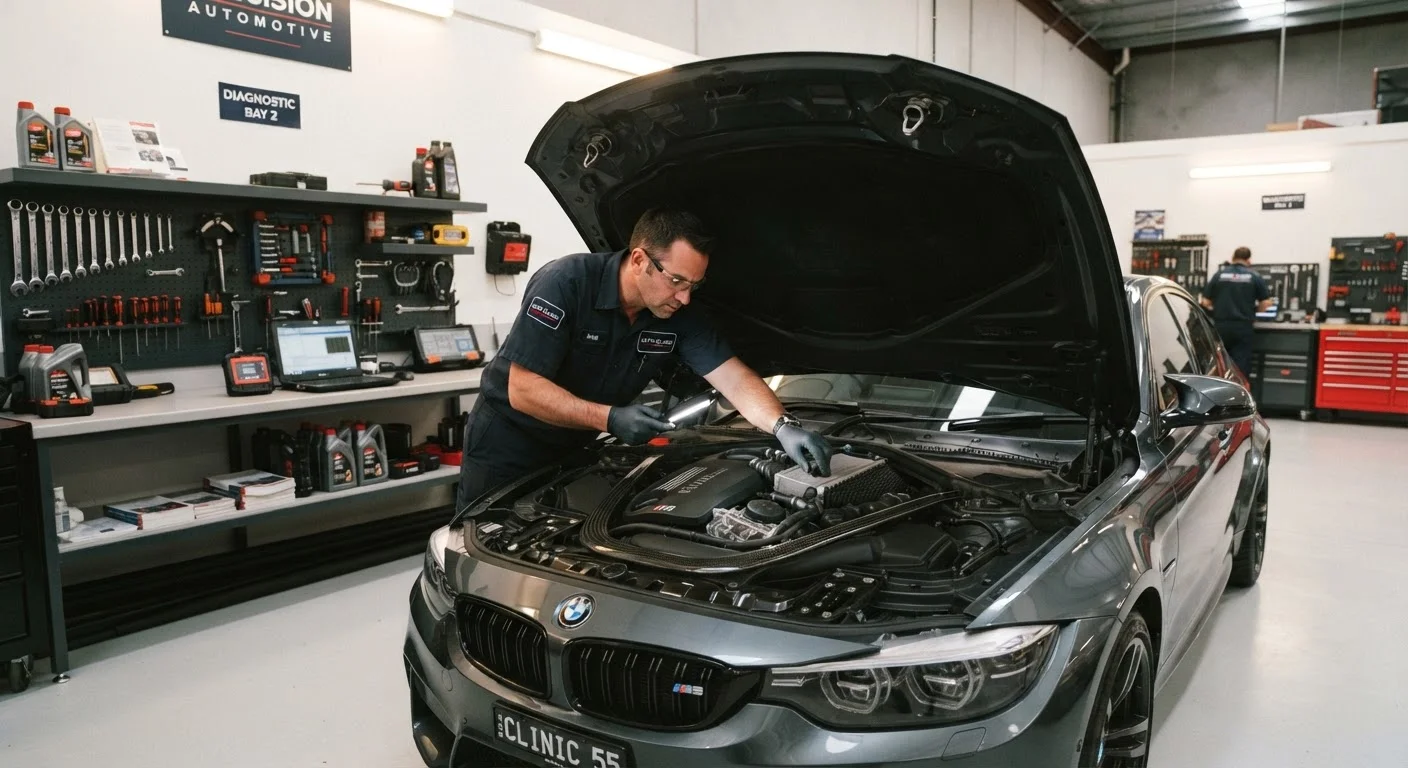
The Real Cost of Skipping a Service
It's tempting to push back a scheduled service when money is tight or life gets busy. But what feels like a sensible short-term decision often sets off a chain reaction of mechanical problems that costs far more to fix than the original service would have.
Consider oil changes as a baseline example. Engine oil degrades over time, losing its ability to lubricate moving parts effectively. Running an engine on old, contaminated oil accelerates wear on components like camshafts, bearings, and pistons — parts that can cost thousands of dollars to replace. A routine oil change, by comparison, typically runs between $50 and $150 depending on oil type and vehicle.
The same logic applies across the maintenance schedule. Timing belt replacements, brake fluid exchanges, and coolant flushes all exist to prevent failures that are significantly more expensive than the service itself. See our guide to overlooked maintenance tasks for a deeper look at the services that quietly affect vehicle longevity.
Why Manufacturer Intervals Are Not Arbitrary
Vehicle manufacturers publish service schedules based on extensive engineering testing — not as a revenue mechanism for dealerships. These intervals reflect how long specific fluids, filters, and components can function within design tolerances before degradation begins to cause harm.
Modern vehicles are built with tighter tolerances than earlier generations, which can actually make them more sensitive to maintenance lapses. Turbocharged engines, for instance, depend heavily on clean, properly viscous oil to protect turbocharger bearings that spin at extremely high speeds.
Severe Driving Conditions Shorten Service Intervals
Many drivers unknowingly qualify for a "severe" service schedule without realizing it. Frequent trips under five miles, driving in extreme temperatures, towing, or operating in dusty or sandy environments all accelerate fluid and filter degradation. Checking the severe-duty section of your vehicle's owner's manual can clarify whether a shorter interval applies to you.
Owners who drive in what manufacturers classify as "severe" conditions — frequent short trips, dusty environments, stop-and-go traffic, or towing — may actually need to service their vehicles more frequently than the standard schedule suggests. Always check the severe-service section of your owner's manual if your driving patterns fit these descriptions.
Warranties, Resale Value, and the Paperwork Trail
Beyond mechanical risk, skipping scheduled services carries real financial consequences in two other areas: warranty coverage and resale value.
Most manufacturer and extended warranties require documented proof of regular maintenance. If a major component fails and the service history shows gaps, a warranty claim can be denied — leaving the owner responsible for a repair that should have been covered. This is not a hypothetical risk; it's a documented source of warranty disputes.
When it comes time to sell or trade in a vehicle, a complete service record is a tangible asset. Buyers and dealers treat a well-documented history as evidence that the car has been cared for, which supports higher asking prices and faster sales. A missing or incomplete log raises questions that can knock hundreds — sometimes thousands — off a vehicle's market value.
4x
Cost ratio of engine repair vs. routine oil change
Industry repair data consistently shows major engine work can cost four to ten times more than the cumulative cost of the oil changes that might have prevented it.
$1,200+
Average timing belt replacement failure cost
When a timing belt fails rather than being replaced preventively, the resulting engine damage can exceed $1,200 or more in parts and labor, compared to a scheduled replacement costing a fraction of that.
If you ever feel uncertain about whether a repair estimate following a lapse in servicing is fair, understanding how to evaluate a mechanic's quote can help you assess the numbers before agreeing to work.
Routine upkeep also pairs well with seasonal vehicle checks, which help catch condition-specific issues that a standard service interval may not cover.