Why Visa Misconceptions Are So Costly
Few travel mistakes carry consequences as immediate as a visa error. Unlike a forgotten adapter or a missed restaurant reservation, misunderstanding visa requirements can result in being denied boarding, detained at the border, or sent home on the next available flight — often at your own expense. Yet visa rules remain one of the most widely misunderstood areas of international travel.
Part of the problem is that visa policies vary dramatically by destination, by the traveler's nationality, and even by the purpose of the trip. What applies to one passport holder may not apply to another. Rules also change, sometimes with little public notice. This article addresses the most persistent myths that lead travelers into trouble — and provides the factual grounding to help you prepare properly. For broader trip preparation strategies, see our trip planning hub.
Visa Rules Change — Always Verify Officially
Visa policies can be updated, suspended, or reinstated with limited public notice. A rule that applied when a friend traveled six months ago may no longer be in effect. Never rely solely on travel blogs, forums, or word of mouth for visa information. Always confirm requirements through the official embassy or consulate website of your destination country, or through your own government's travel advisory portal, as close to your departure date as possible.
Common Visa Myths — Corrected
The following myth-and-fact pairs address misconceptions that frequently surface among US-based travelers and international visitors alike. Use them as a checklist when researching any international trip.
Myth
If my country has a visa-free agreement with my destination, I can travel there without any documentation beyond my passport.
Fact
Visa-free does not mean documentation-free. Many countries with visa-free arrangements still require an Electronic Travel Authorization (ETA) or similar pre-approval, which must be obtained before departure.
Countries including Canada, Australia, and members of the European Union's Schengen Area have implemented electronic authorization systems that are legally distinct from visas but still mandatory. Travelers who arrive without them can be denied boarding before they even reach the destination. An ETA is typically applied for online and linked electronically to your passport — but it must be approved in advance. Always check whether your destination requires any form of pre-travel authorization, even under a visa-free arrangement.
Myth
My passport is valid until after my trip ends, so I have no problem.
Fact
Most countries require your passport to remain valid for three to six months beyond your planned departure date — not just through your last day of travel.
This requirement protects host countries in case a traveler's departure is delayed due to illness, civil disruption, or missed flights. A passport that expires one week after your return flight may satisfy your home country's airline, but could be flagged at the destination's border. Check the specific validity requirement for each country you plan to visit, including any transit countries. The rules differ by destination and by your nationality.
Myth
Once I have an approved visa, I'm guaranteed entry into the country.
Fact
A visa grants permission to seek entry — not guaranteed admission. Border officers at the port of entry have the authority to deny entry even to visa holders.
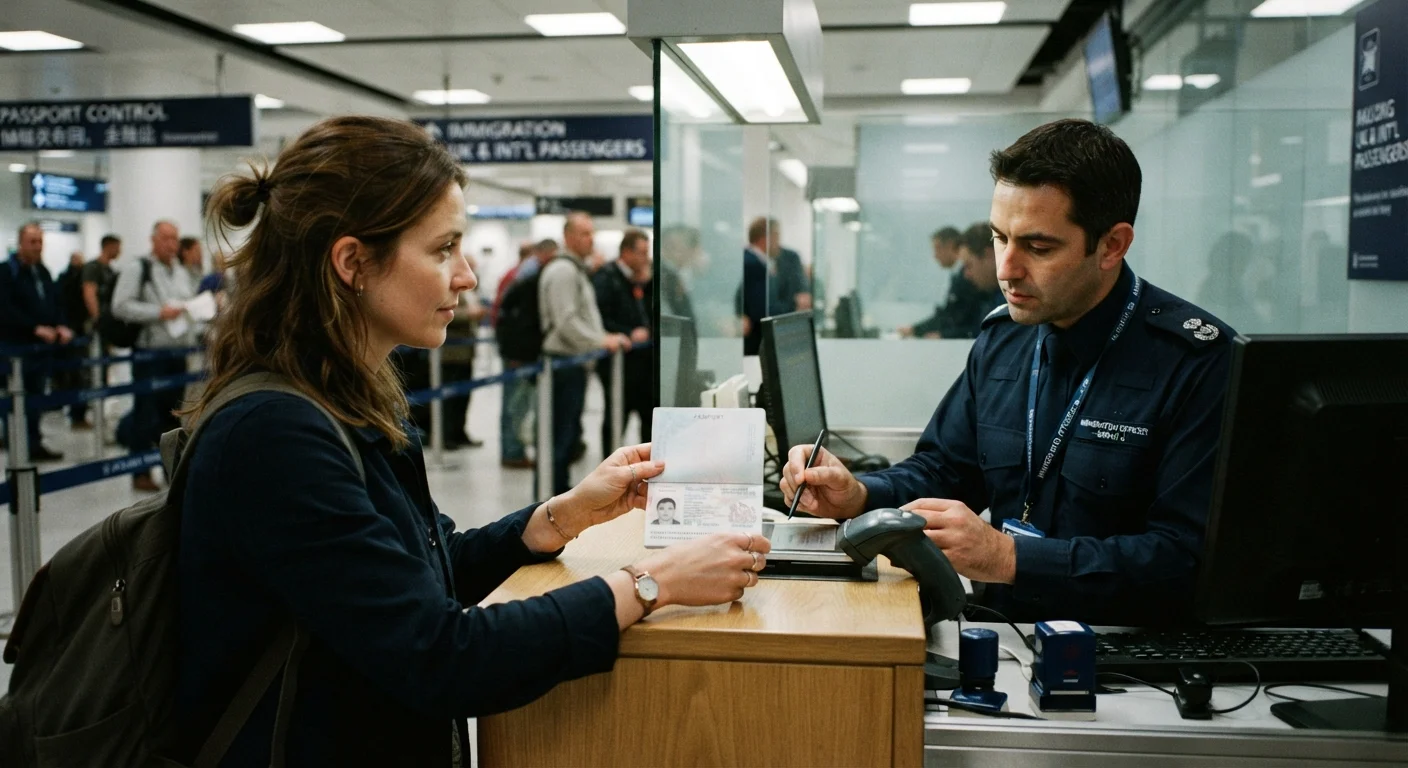
Immigration officers can and do conduct secondary screenings. They may ask about the purpose of your visit, your financial means, your accommodation plans, or your ties to your home country. Inconsistencies between your stated purpose and what's on your visa, or insufficient evidence of your travel plans, can result in refusal. Carry documentation that supports your stated reason for travel — hotel bookings, return tickets, invitation letters if applicable — to help answer any questions at the border.
Myth
I don't need a visa for a layover because I'm not entering the country — I'm just passing through.
Fact
Transit passengers often need a transit visa, even if they remain airside and never pass through immigration into the country.
Transit visa requirements depend on your nationality, your destination country's policies, and the specific airport. Some countries require transit visas for certain passport holders regardless of whether they clear immigration. The UK, for example, has specific airside transit visa requirements for nationals of certain countries. If you're transiting through a country for the first time, verify requirements separately for that transit stop — not just your final destination. For more detail on navigating layovers, see our guide on transit visas and connection times.
Myth
A visa that allows multiple entries means I can stay as long as I want on each visit.
Fact
A multiple-entry visa controls how many times you may enter a country, not how long you may stay. Maximum stay limits still apply to each visit.
Multiple-entry visas are often misread as open-ended permission to remain indefinitely across multiple trips. In reality, each entry typically comes with a maximum permitted stay — often 30, 60, or 90 days — that begins from the date of arrival. Overstaying, even unintentionally, can trigger fines, deportation, and bans on future entry. Always read the specific conditions of your visa, and track your permitted days carefully using your entry stamp date as the reference point.
For related misconceptions that affect how travelers prepare more broadly, common travel planning myths covers assumptions about booking timing, budgeting, and logistics that can derail a trip before it starts.
What to Do Before You Travel
Getting visa requirements right is not a one-time check — it requires verification from authoritative sources close to your departure date. Here's a reliable framework:
- Check official government sources. The US Department of State's travel website and the destination country's official embassy or consulate site are the most reliable references. Third-party visa aggregators can be helpful for orientation, but should not substitute for official sources.
- Verify passport validity. Check both the expiration date and the number of blank visa pages. Many countries require at least one or two blank pages for entry stamps.
- Understand your specific travel purpose. Visas issued for tourism may not cover volunteer work, journalism, or even extended study. Misrepresenting your purpose can result in denial of entry or future travel bans.
- Recheck rules after booking. Policies can change between the time you research and the time you depart. Set a reminder to verify requirements again within a few weeks of travel.
Misrepresenting Travel Purpose Is a Serious Risk
Applying for a tourist visa while intending to work, volunteer, or engage in paid activity is considered misrepresentation and is treated seriously by immigration authorities worldwide. This can result in visa cancellation, deportation, and multi-year or permanent entry bans. If your travel purpose doesn't clearly fit a standard category, consult the relevant consulate or a qualified immigration professional before applying.
Layover travelers face a frequently overlooked category of visa risk. Our guide to airport layovers and transit visas explains when a connecting flight through a foreign airport may require documentation you didn't expect to need. Similarly, travelers should also prepare for health considerations abroad — overlooked travel health risks is a useful companion read before any international trip.