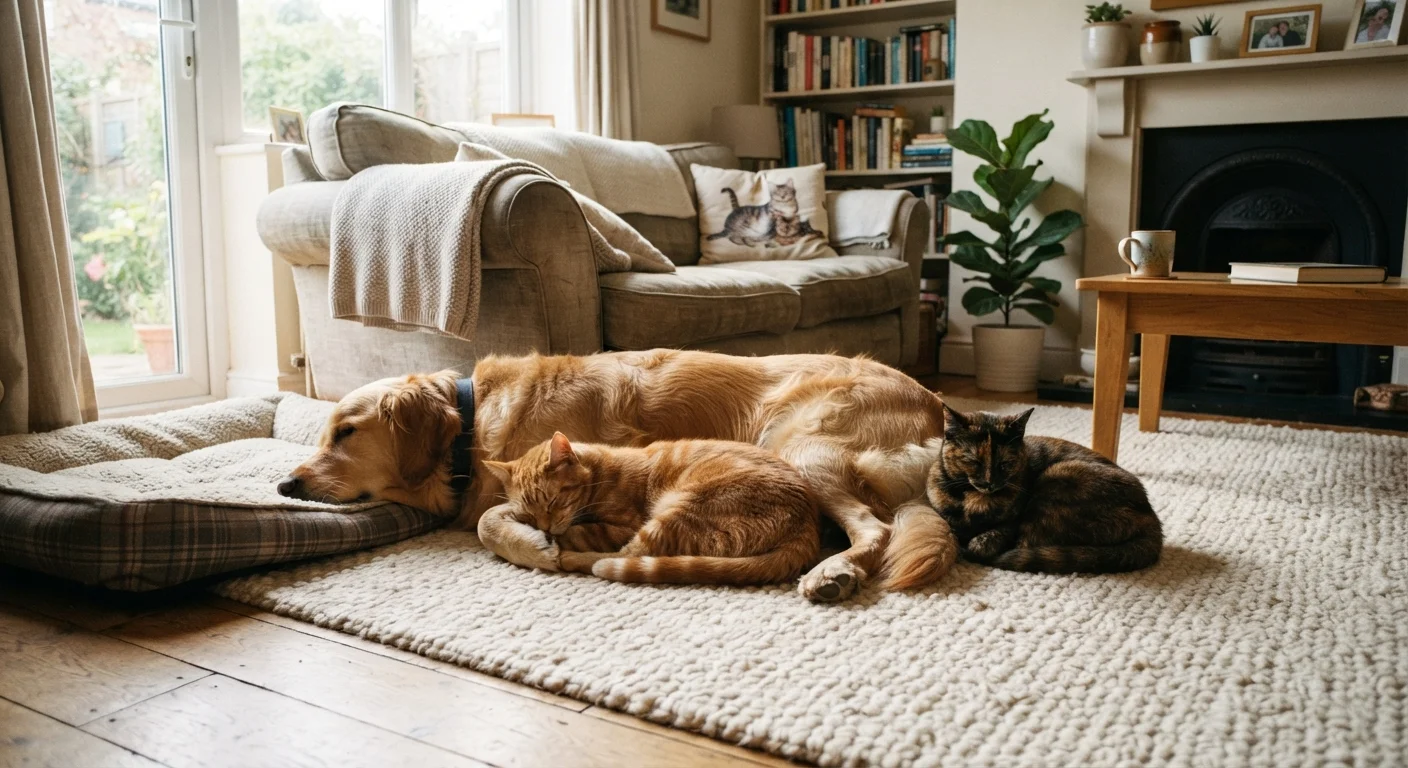
Why Multi-Pet Households Need a Strategy
Adding a second — or fifth — pet to your home is one of the most rewarding things many families do. It's also one of the most underestimated challenges. Animals don't naturally share space just because they live under the same roof. Territory, resources, and social hierarchy all have to be navigated, and without a thoughtful approach, even well-meaning introductions can create lasting tension.
The good news is that most inter-pet conflict is preventable. The strategies here draw on animal behavior principles to help you set up a household where every pet feels genuinely secure — not just tolerated. If you're still in the planning stage, our new pet preparation checklist covers the practical groundwork before your new animal arrives.
Introductions: The Foundation of a Peaceful House
How two animals first encounter each other shapes their relationship for a long time to come. Rushing this step is one of the most common mistakes new multi-pet owners make. A stressful first meeting can create a fear or defensive association that takes months to undo.
Introduce new pets gradually using scent before face-to-face contact.
Animals map their world largely through smell. Allowing them to investigate each other's scent on a blanket or bedding before any visual or physical meeting dramatically reduces the intensity of first encounters. This step-by-step approach lowers the chance of fearful or defensive reactions that can set a lasting negative tone.
Give every pet its own feeding station, placed out of sight of the others.
Food is one of the most common triggers for inter-pet tension. Even animals that get along well can become anxious or defensive around meal times if they feel another pet might access their bowl. Separate, calm feeding spots remove that pressure entirely.
Provide each pet with a private retreat space that others cannot access.
A pet that can always escape to a safe, undisturbed spot has a built-in stress regulation tool. Without that option, even minor friction accumulates into chronic anxiety, which can surface as aggression, destructive behaviour, or health problems.
Maintain individual one-on-one time with each pet daily.
Pets in multi-animal households can experience a diluted sense of bond with their owner, which elevates background anxiety. Dedicated solo time reinforces each animal's security and reduces attention-seeking behaviour that can provoke other pets.
Learn to read early stress signals before they escalate into conflict.
Growling, hissing, or fighting are late-stage signs of discomfort. Animals communicate distress far earlier through body language — a tucked tail, flattened ears, lip licking, or deliberate avoidance. Catching these signals allows you to intervene calmly before tension escalates.
For households that also include young children, the layered complexity of managing animal interactions alongside child safety is worth its own attention — our piece on raising kids and pets together explores those dynamics in depth.
Managing Space, Resources, and Routines
Conflict in multi-pet homes frequently isn't about personality clashes — it's about scarcity, real or perceived. When animals compete for food, resting spots, attention, or access to their owner, stress accumulates. The solution is abundance by design: more resources than your pets need, distributed thoughtfully across your space.
“The goal in a multi-pet home isn't for animals to love each other — it's for them to feel safe enough to coexist. Safety is the foundation everything else builds on.”
— Dr. Karen Overall, Veterinary behaviorist and author of works on clinical behavioral medicine in animals
Routine matters just as much as resources. Pets thrive on predictability, and consistent daily schedules reduce the ambient uncertainty that can make animals reactive toward each other. If under-stimulation is a factor — common in households where pets aren't getting enough individual engagement — it can amplify territorial behaviour. Our article on what happens when pets get bored is a useful companion read.
When to Involve a Professional
If pets show persistent aggression, resource guarding that escalates, or signs of chronic stress — such as hiding, over-grooming, or appetite loss — consult a veterinarian or a certified applied animal behaviorist. These signals suggest the household dynamic needs professional assessment, not just management tweaks. Early intervention is far easier than addressing entrenched conflict later.
Quick Steps You Can Take Today
You don't need to overhaul your home overnight. Small, deliberate changes — made consistently — shift the household dynamic more reliably than dramatic interventions. Start with the highest-impact adjustments and build from there.
If you're still deciding whether to add another pet to your family, our guide on choosing the right pet for your household can help you think through whether the fit is right before you commit.
This article provides general guidance on pet management and is not a substitute for advice from a qualified veterinarian or certified animal behaviorist. If you have concerns about your pets' health or behavior, please consult a licensed professional.